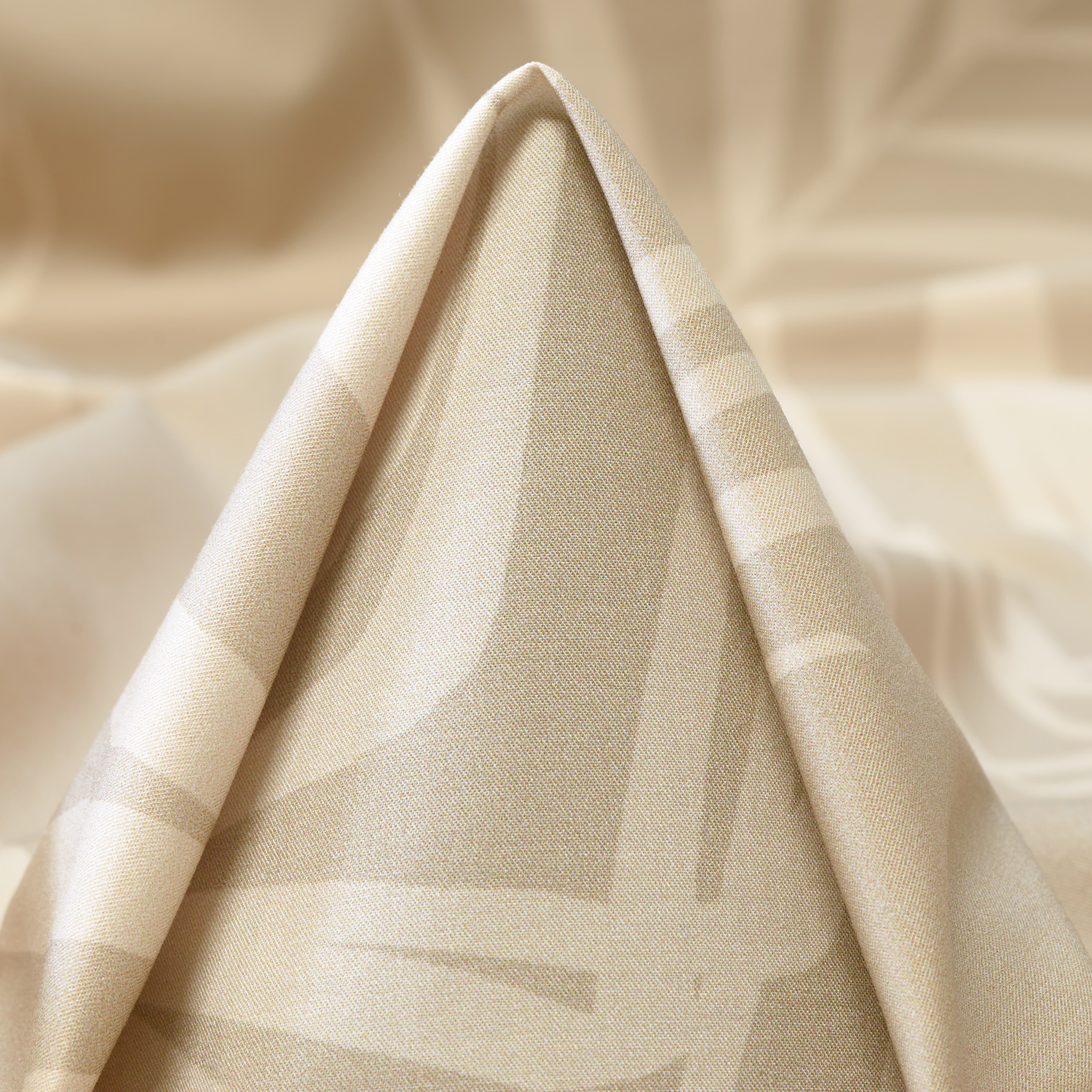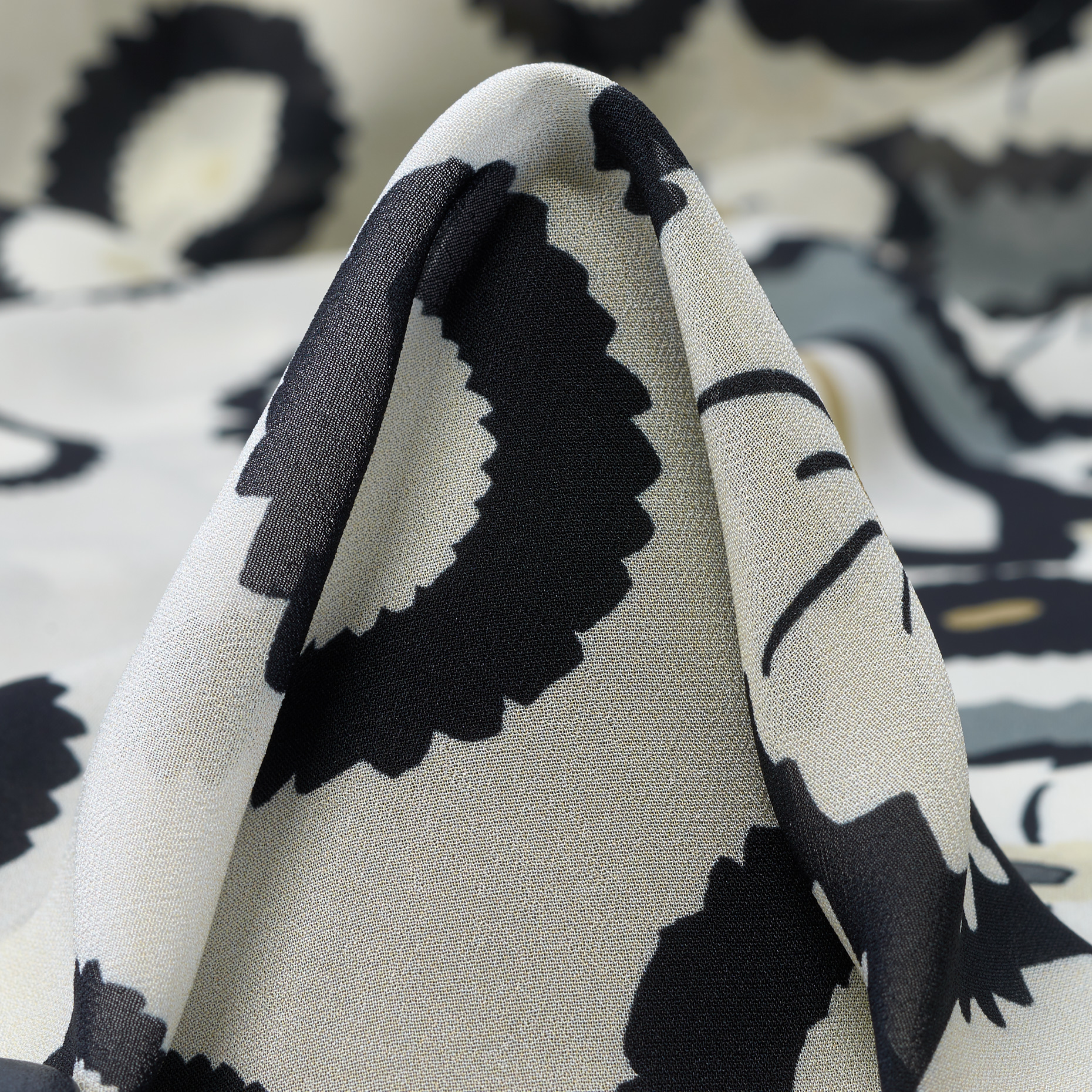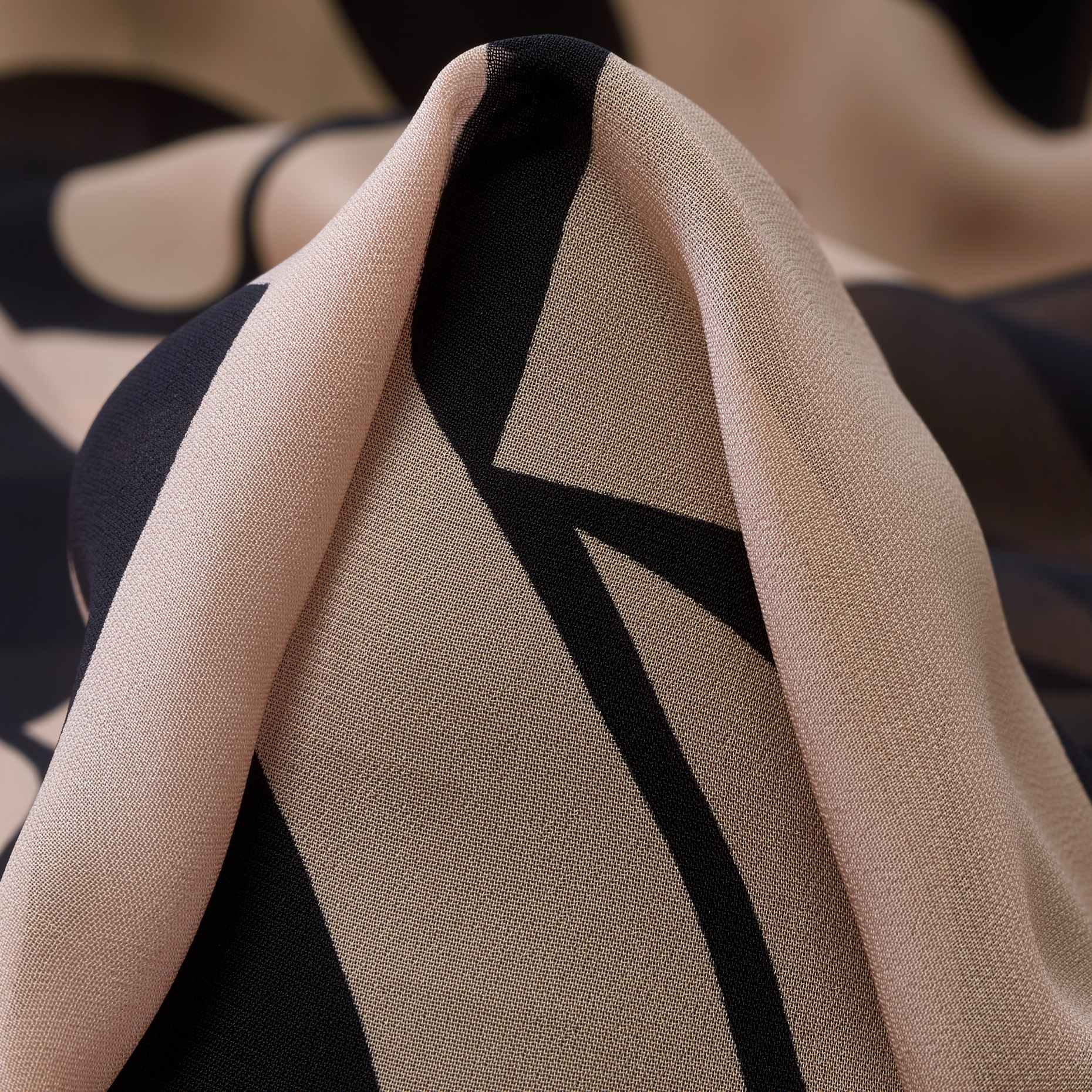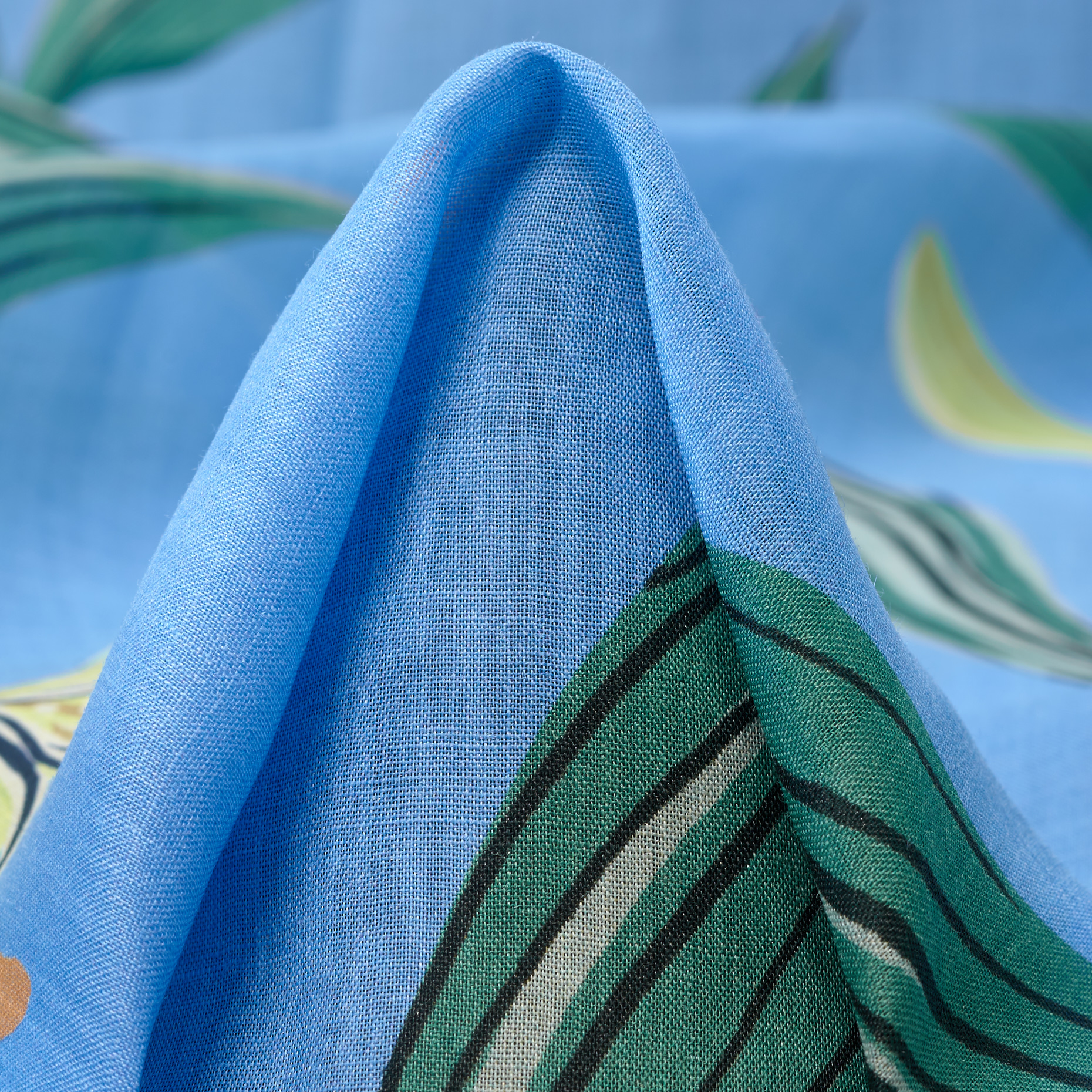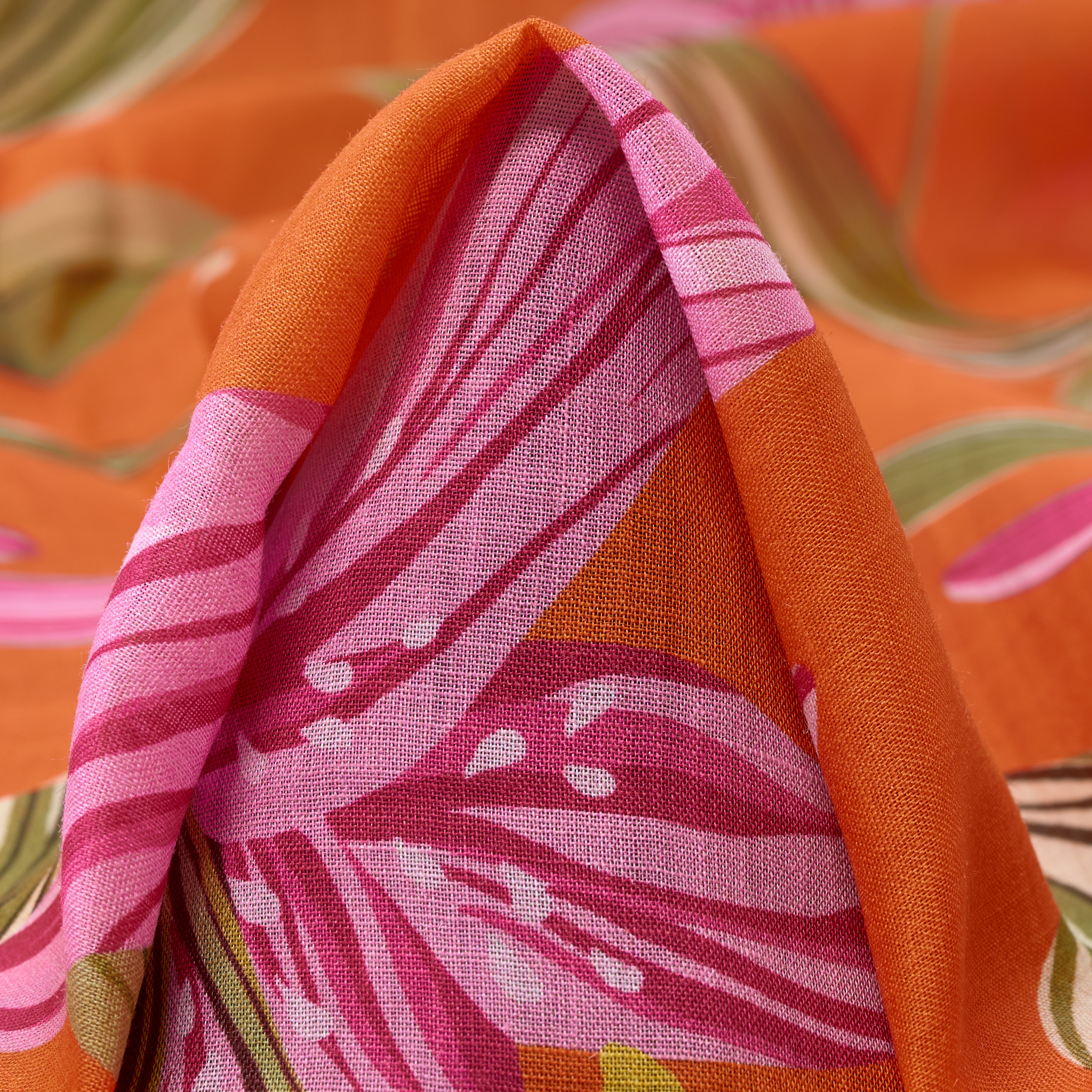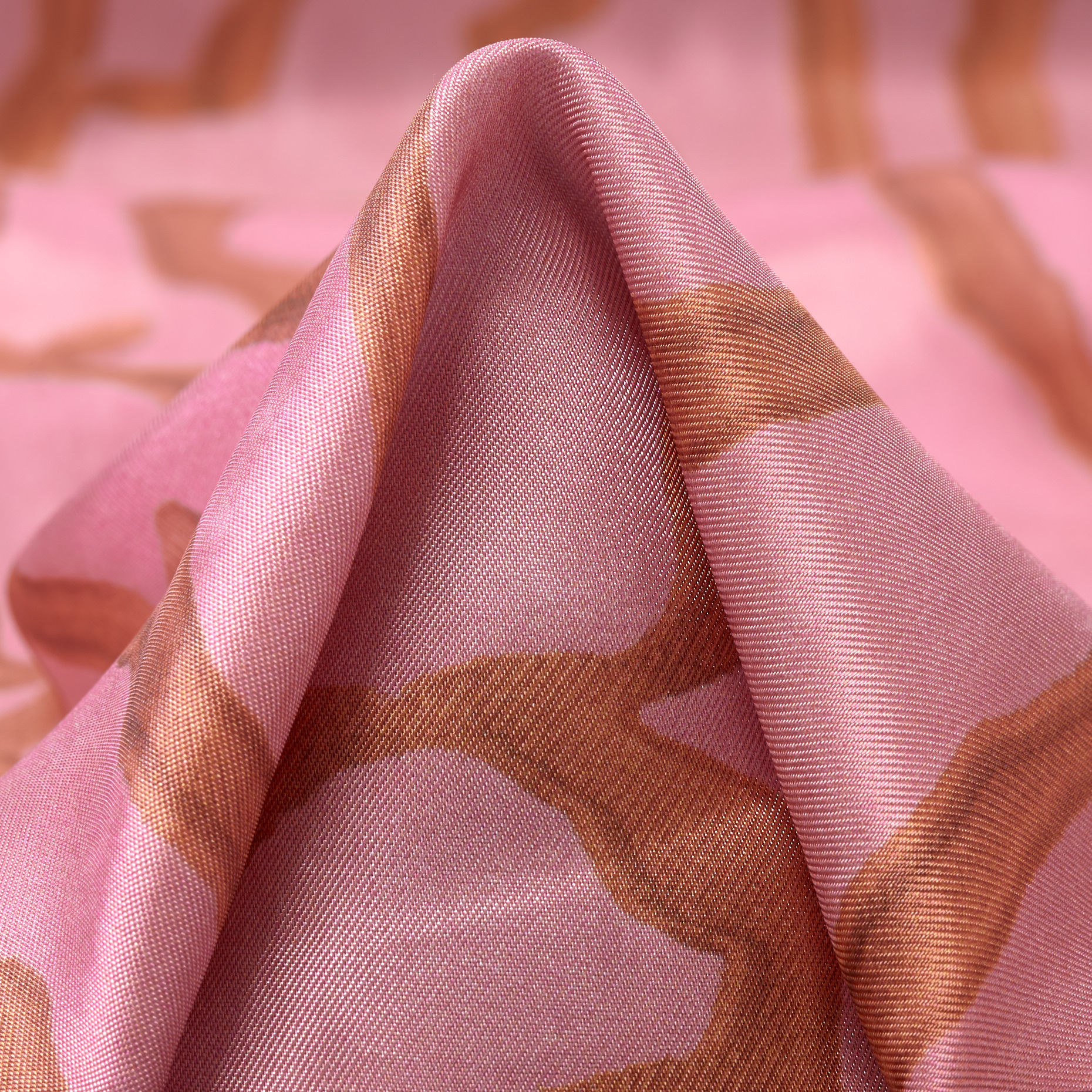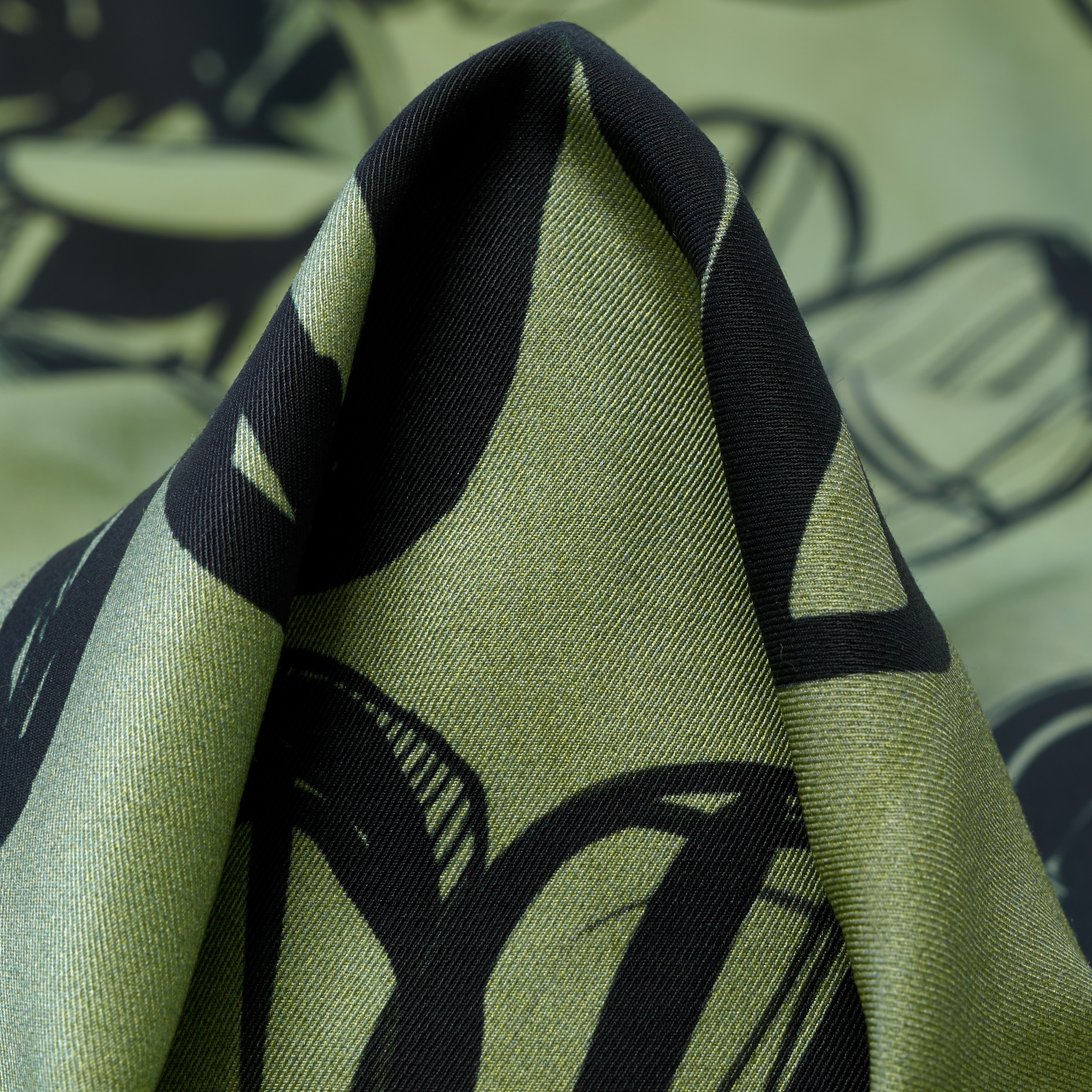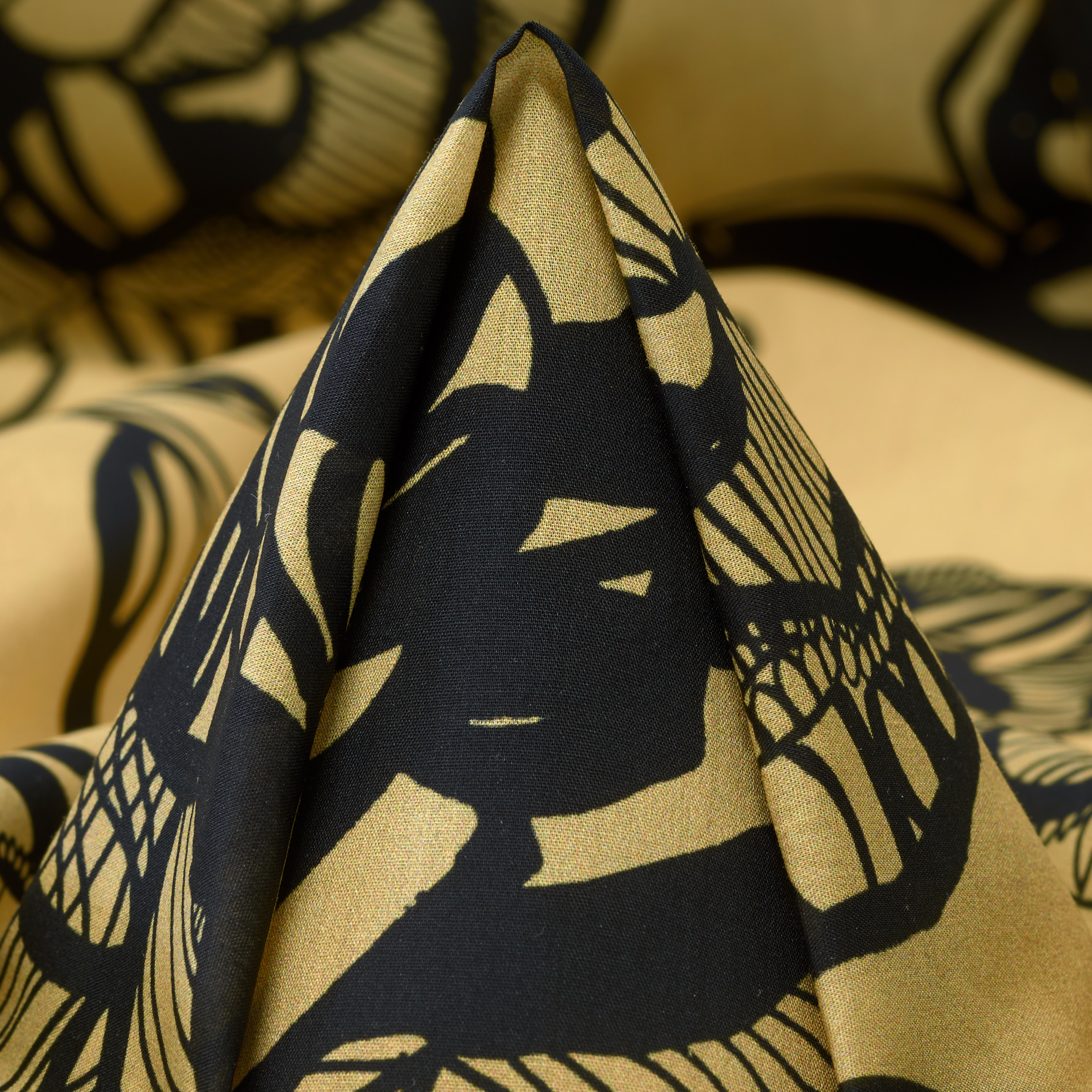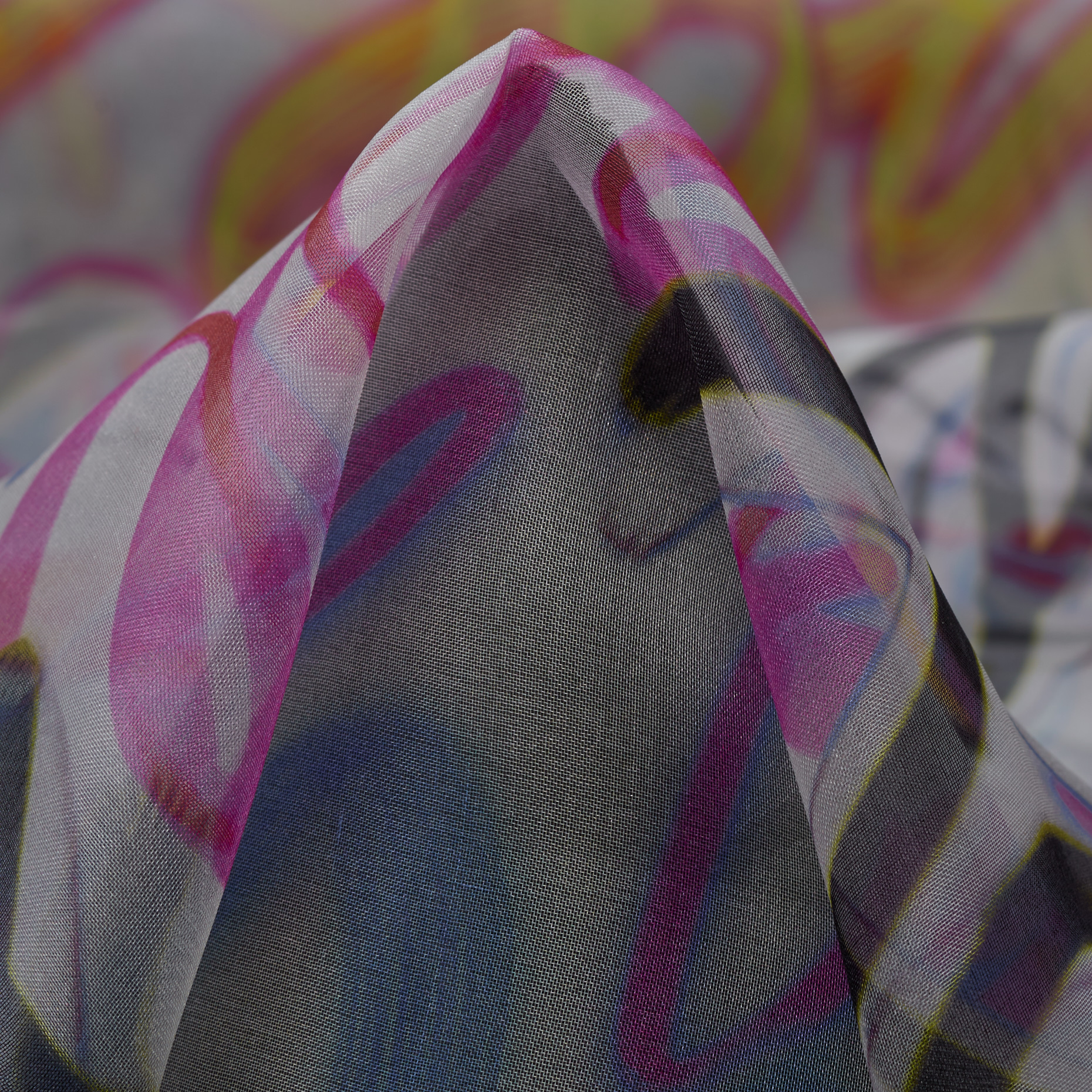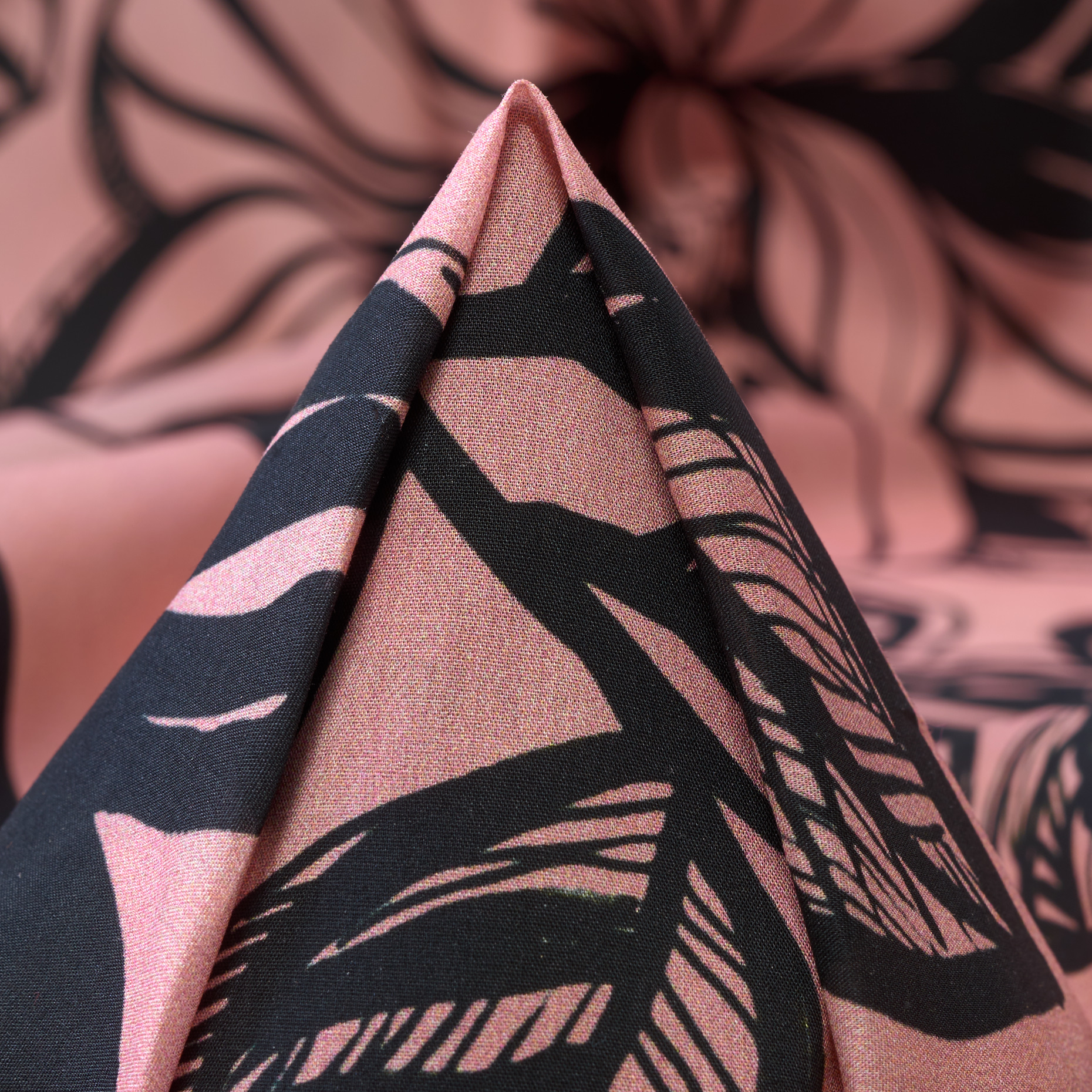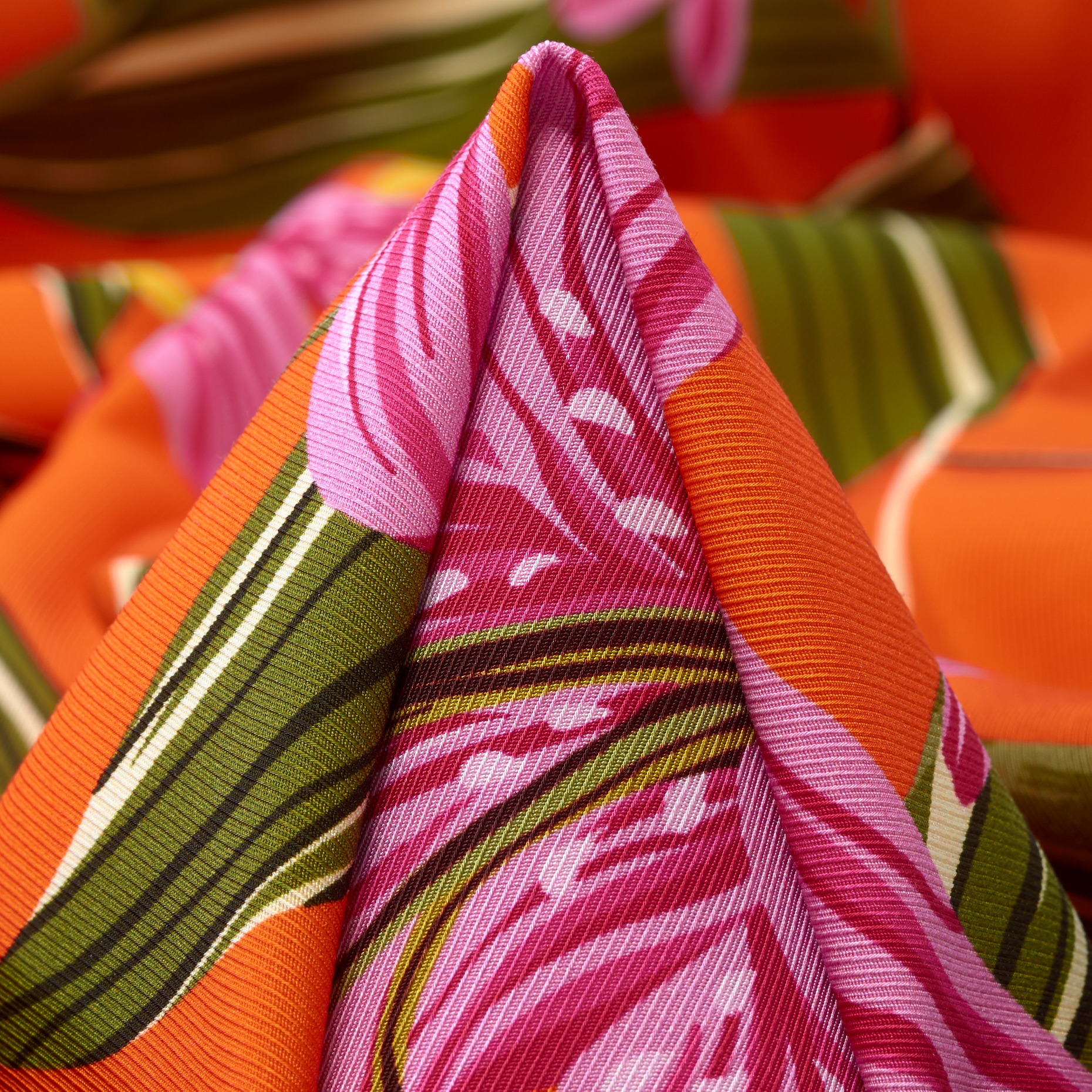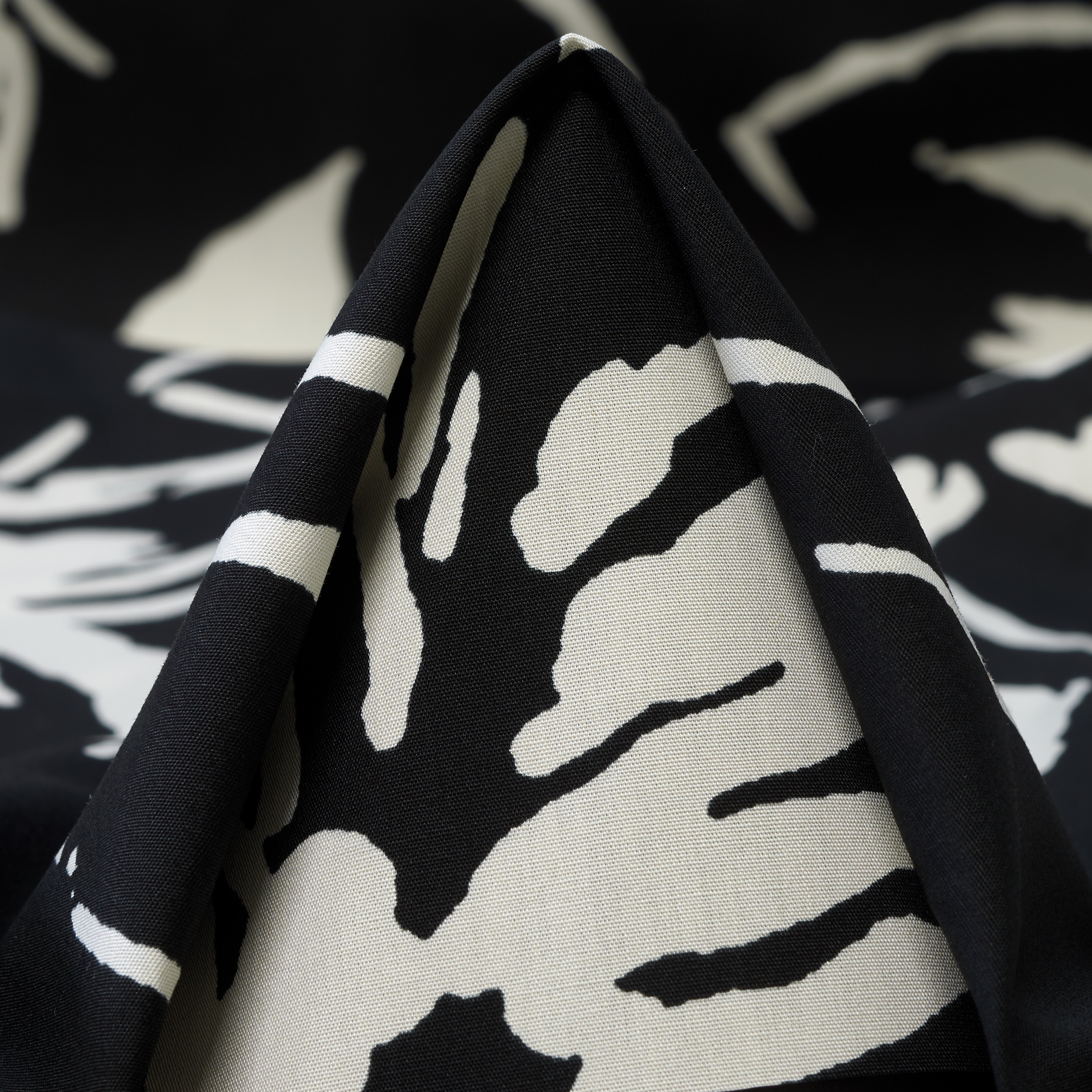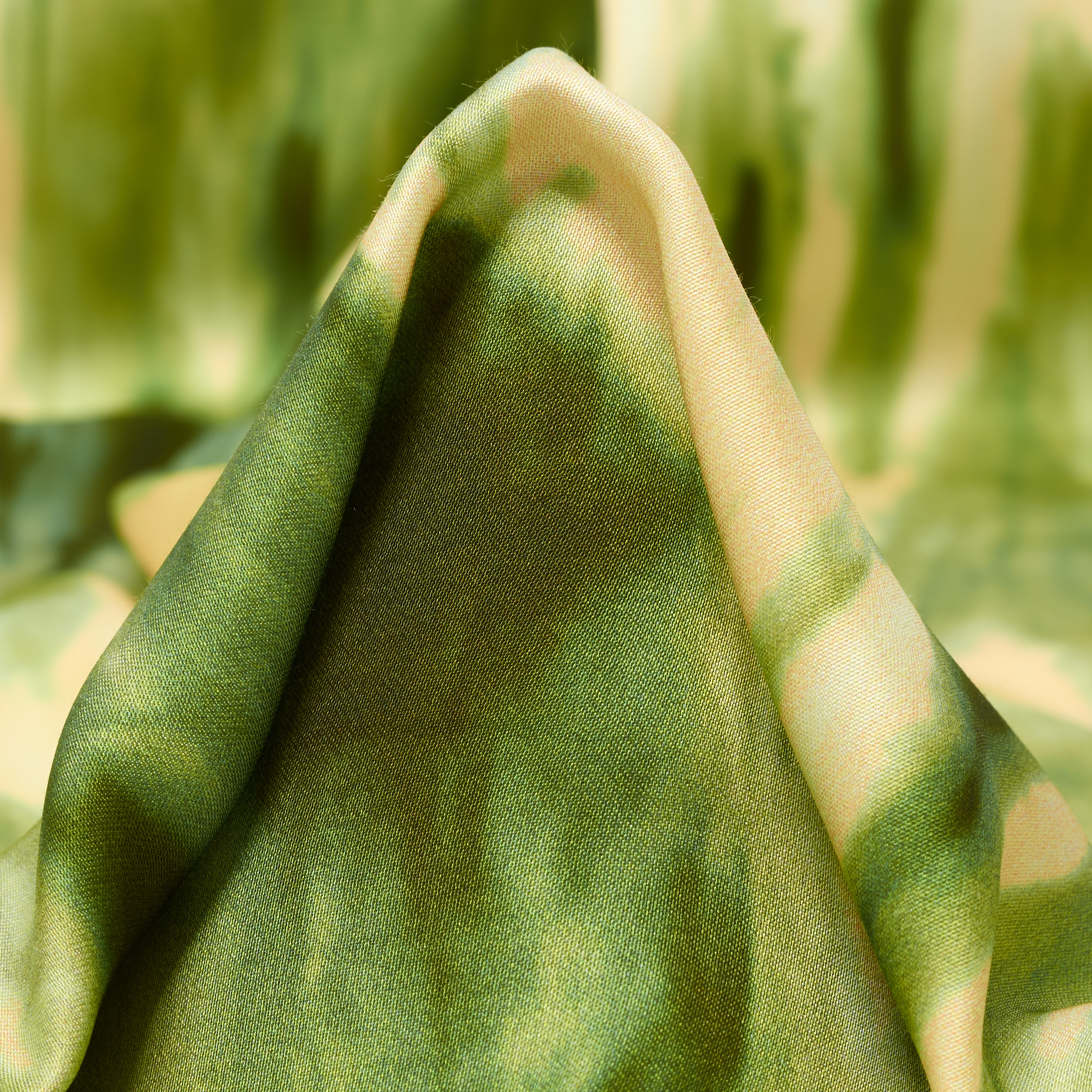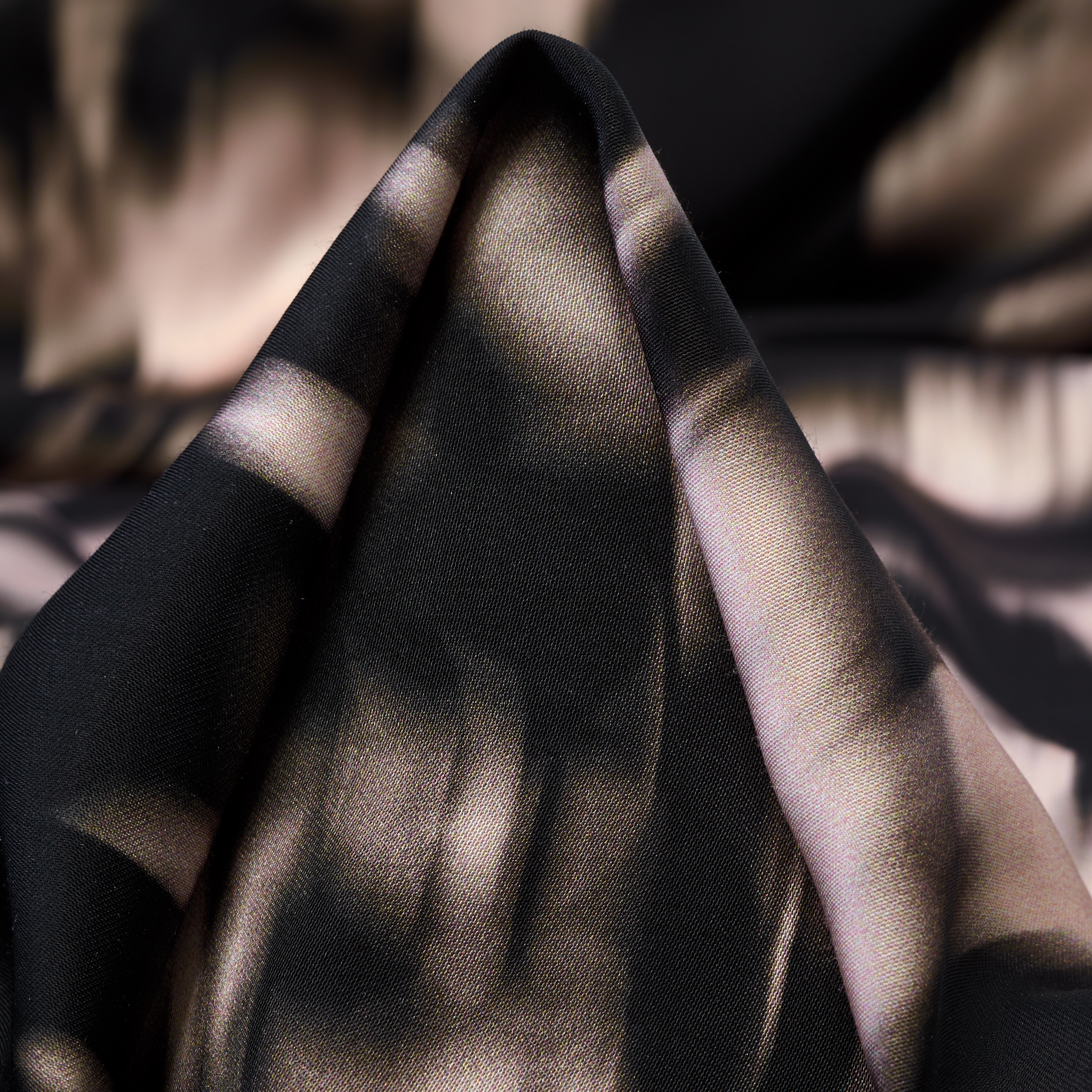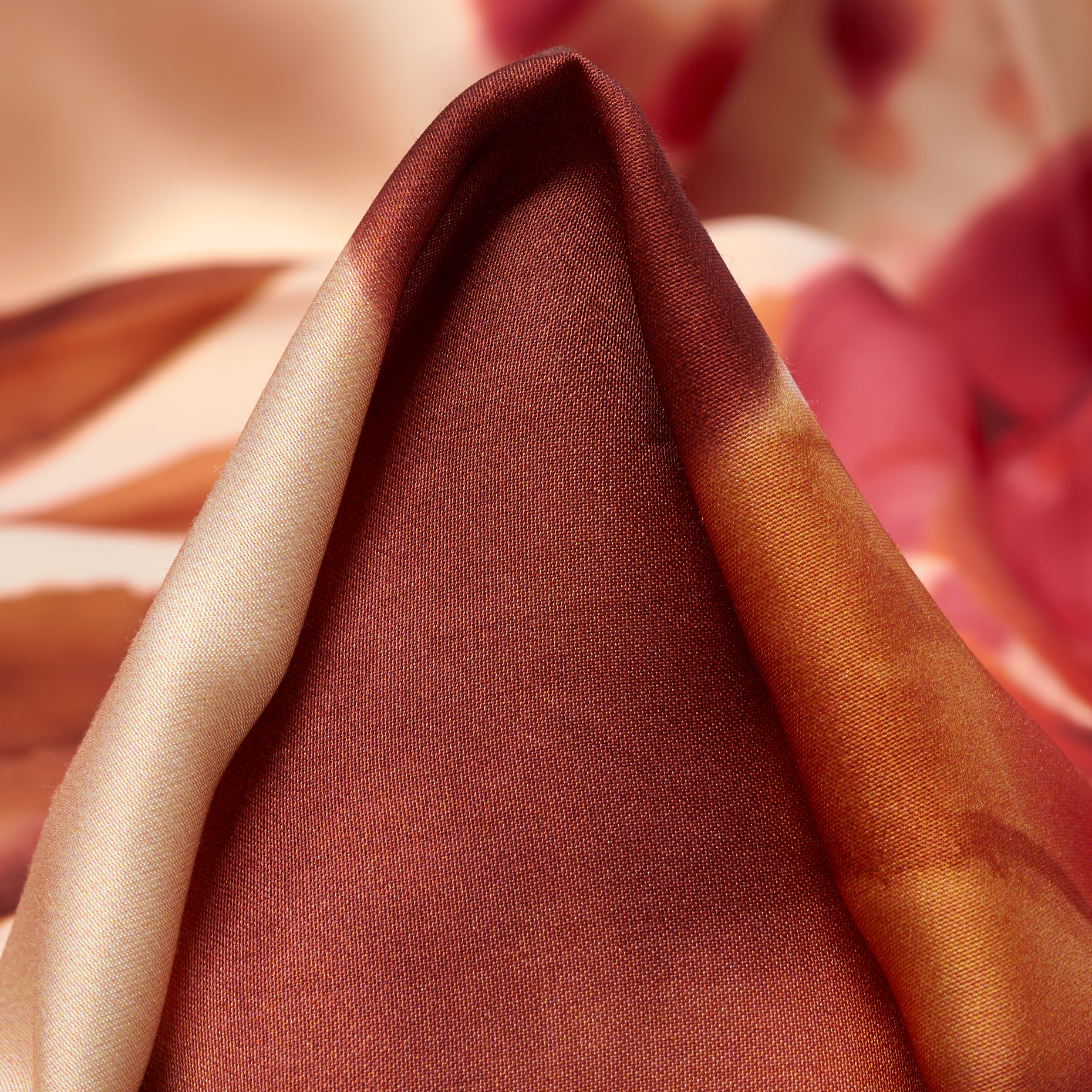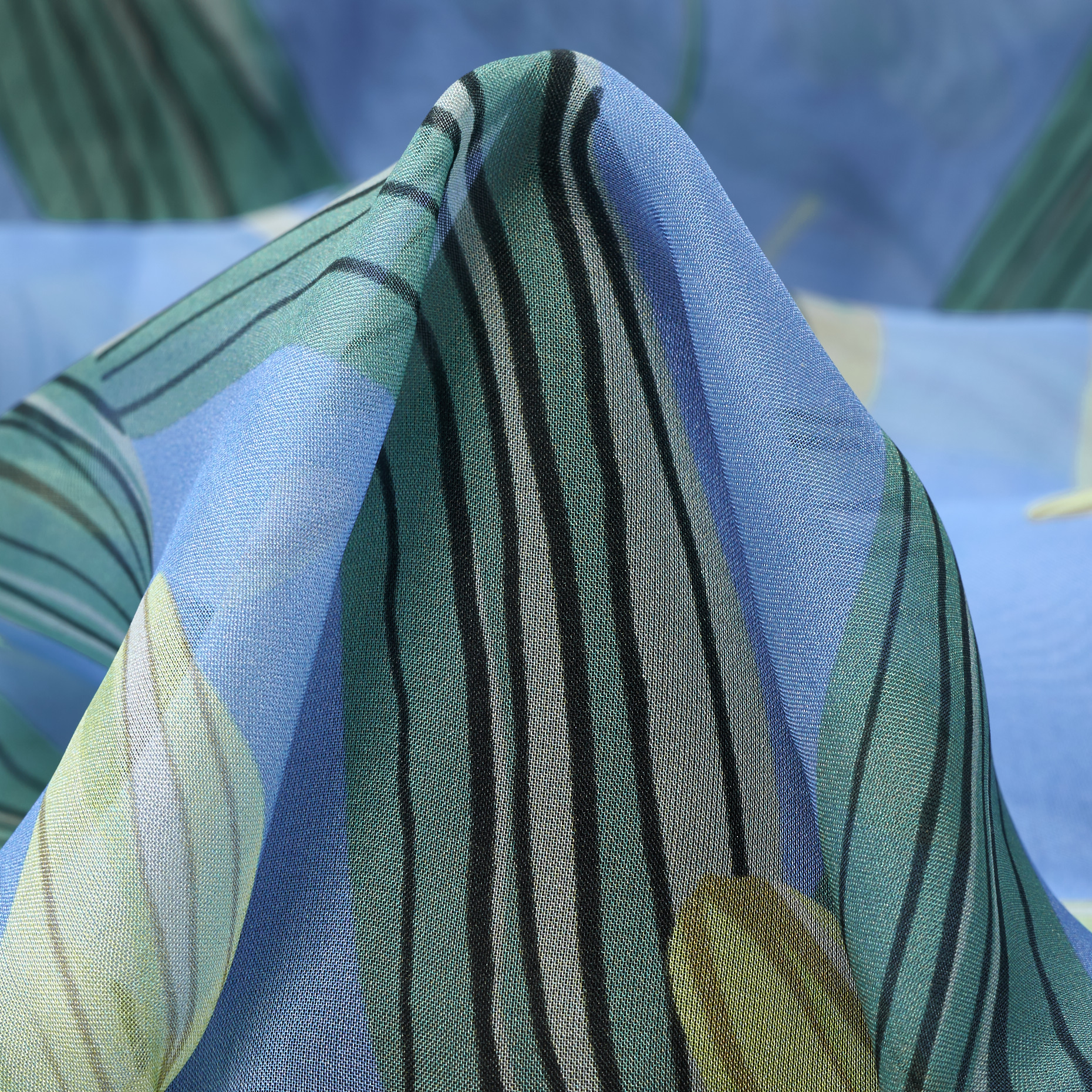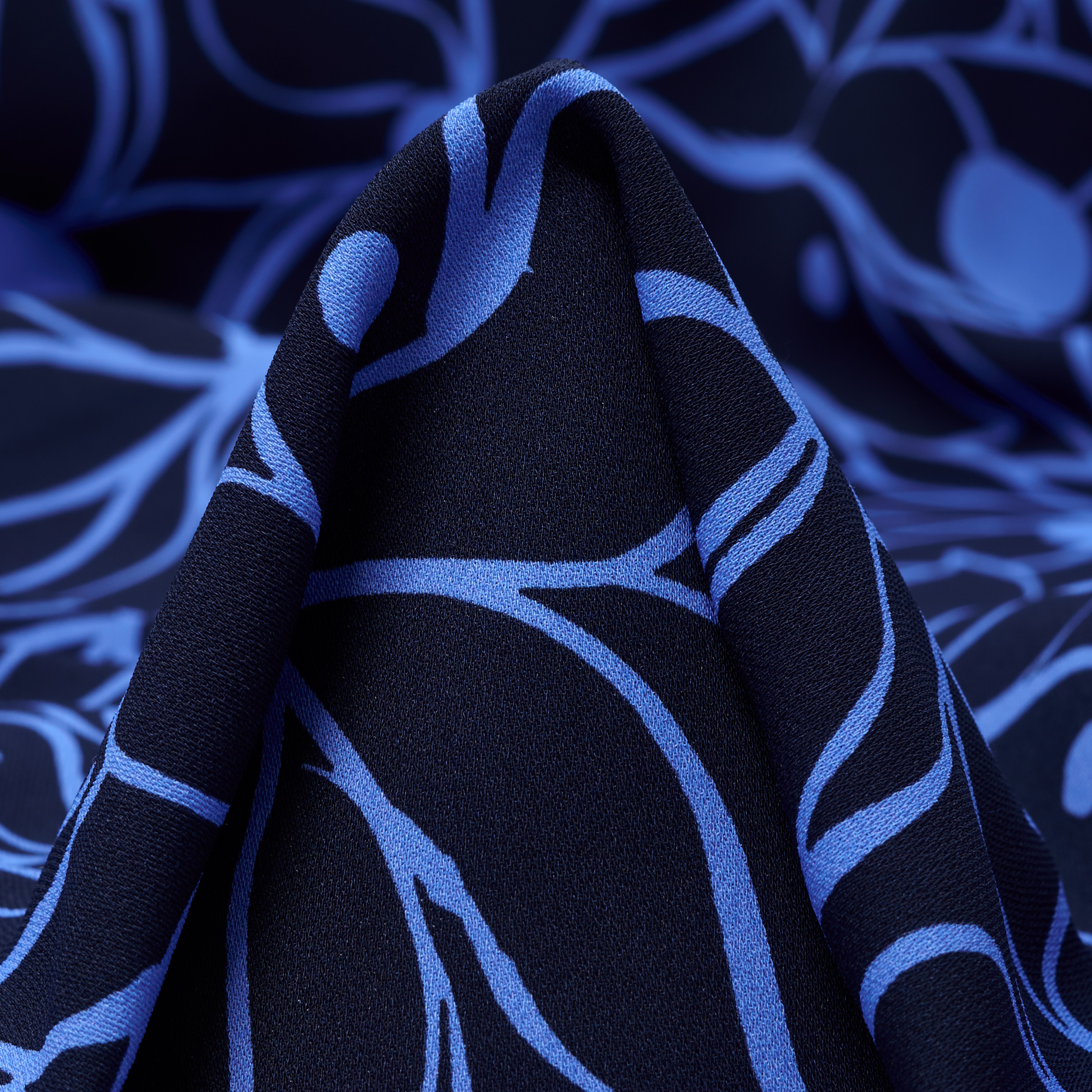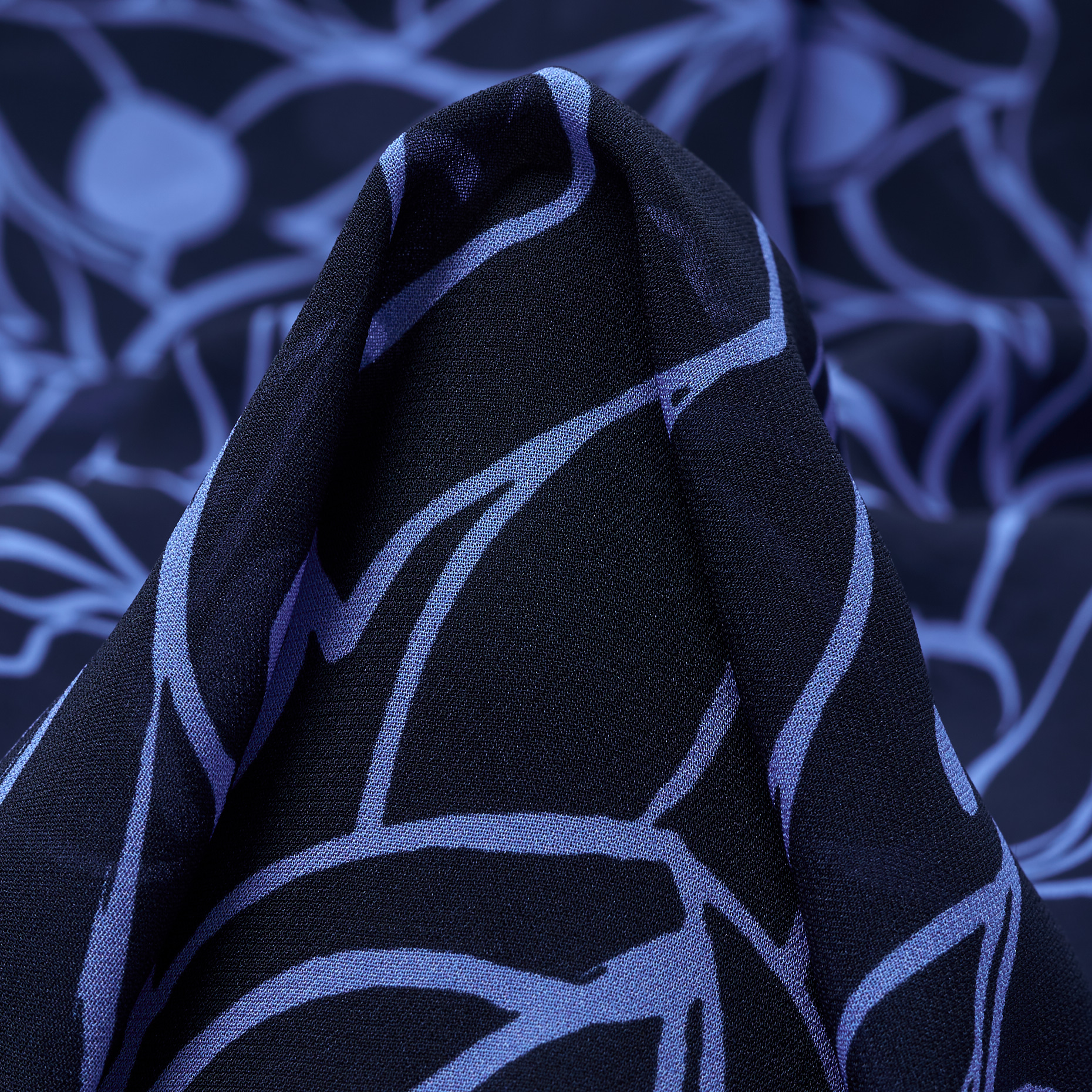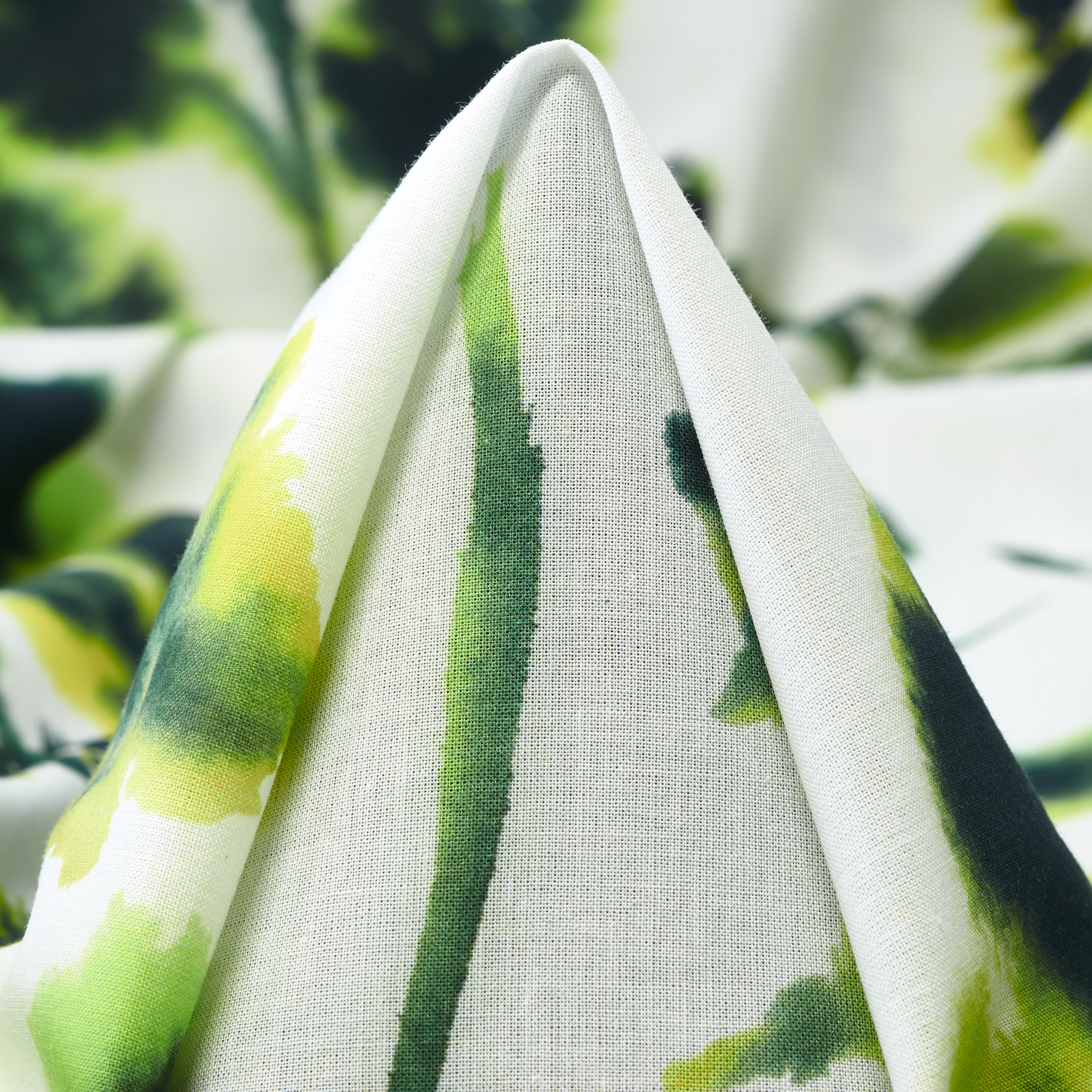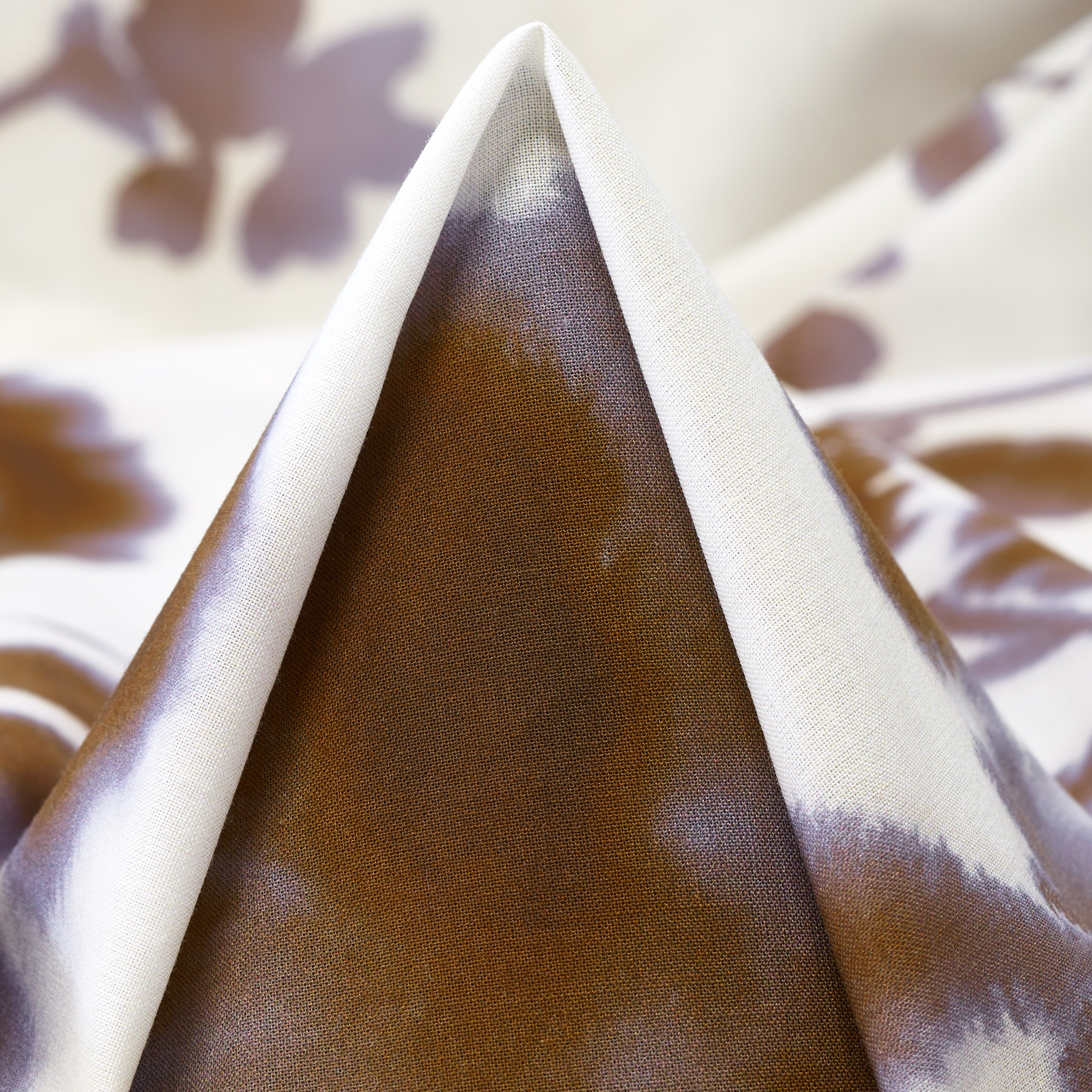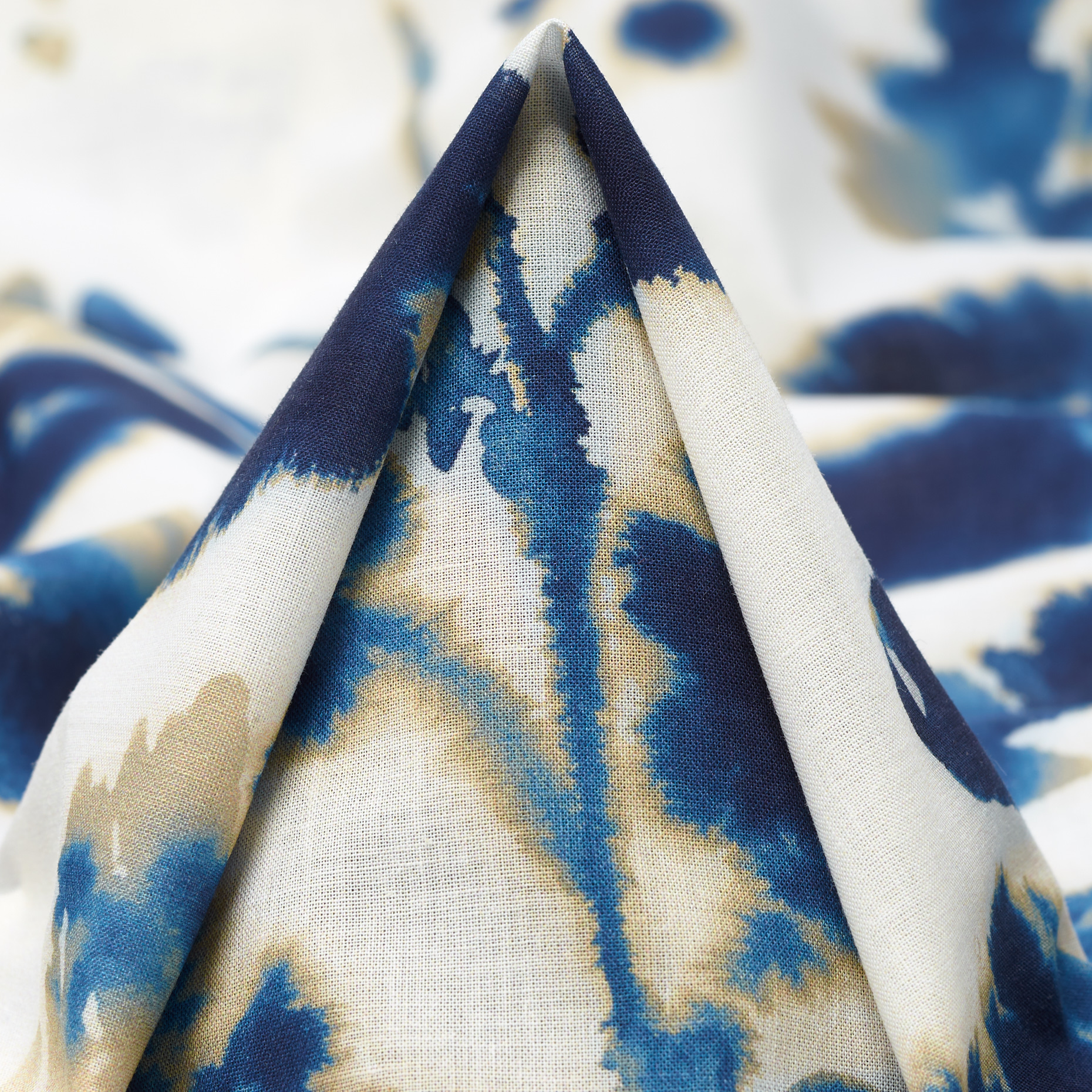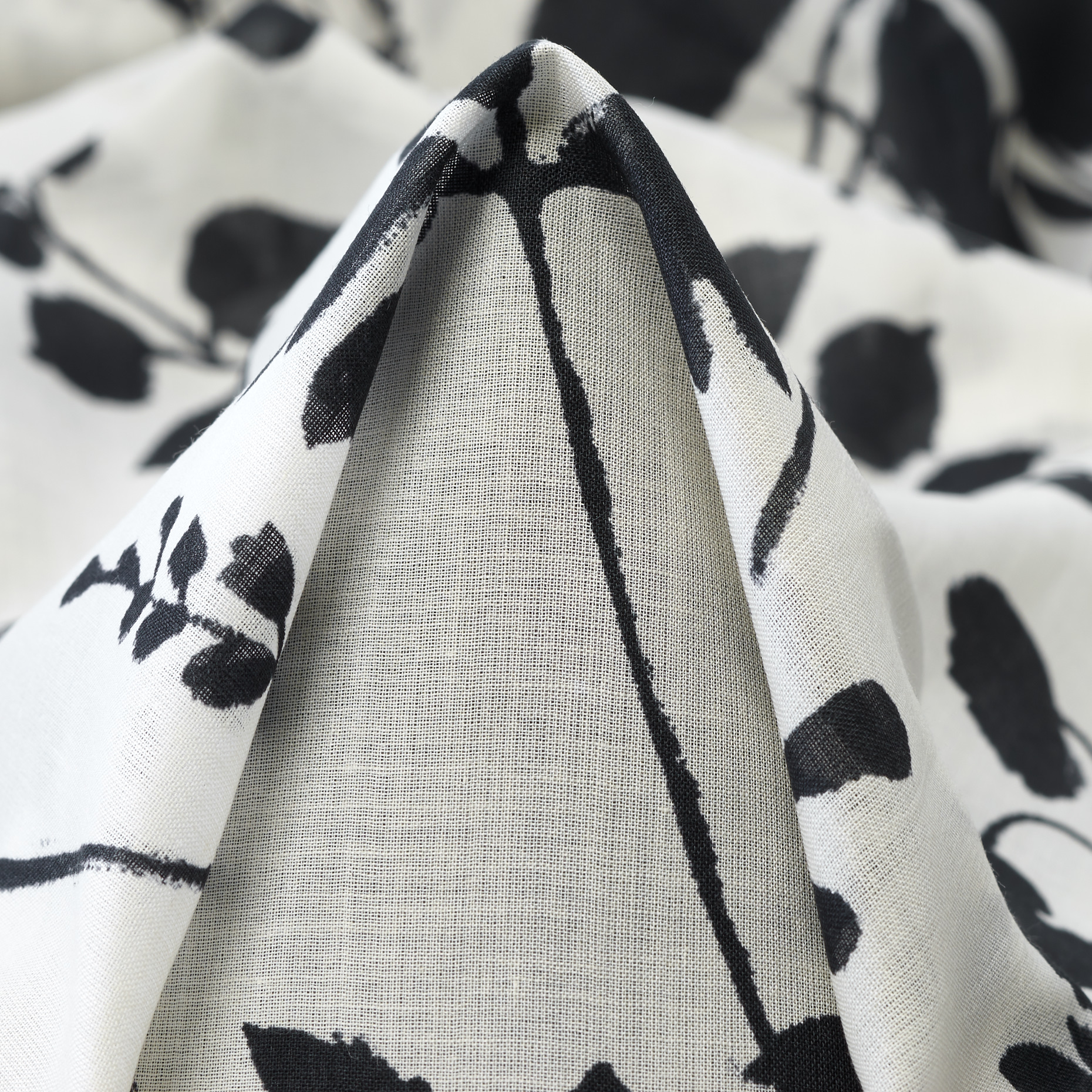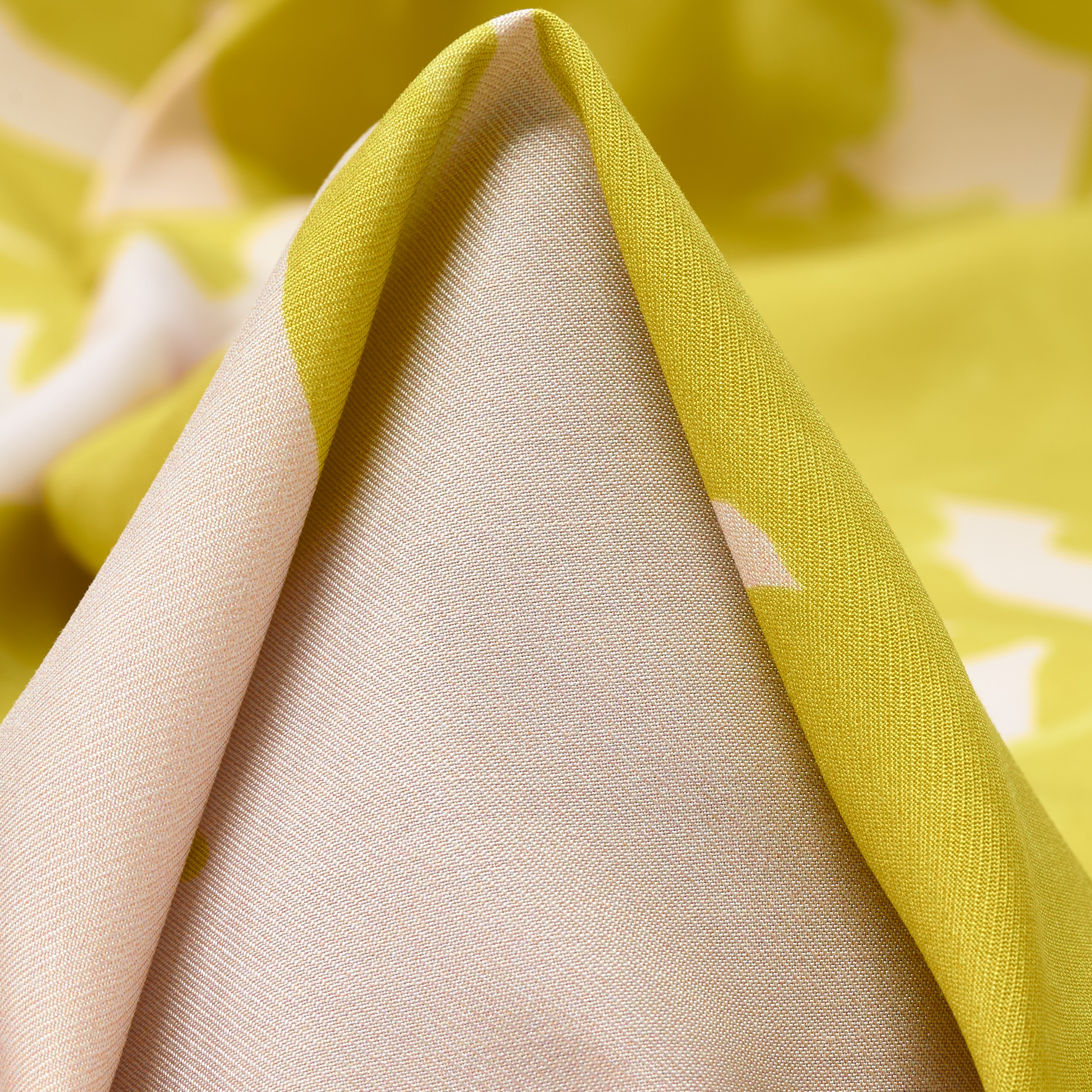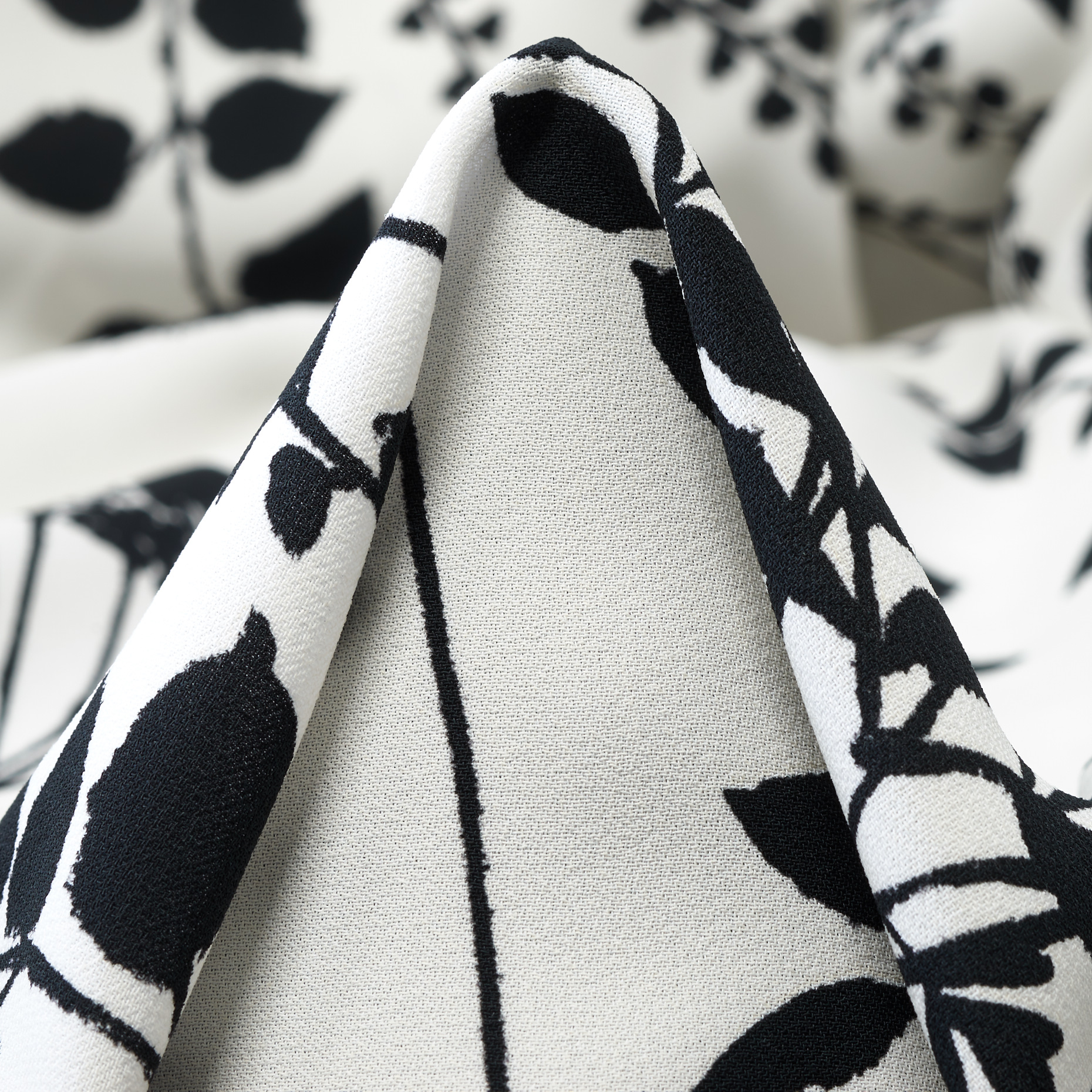
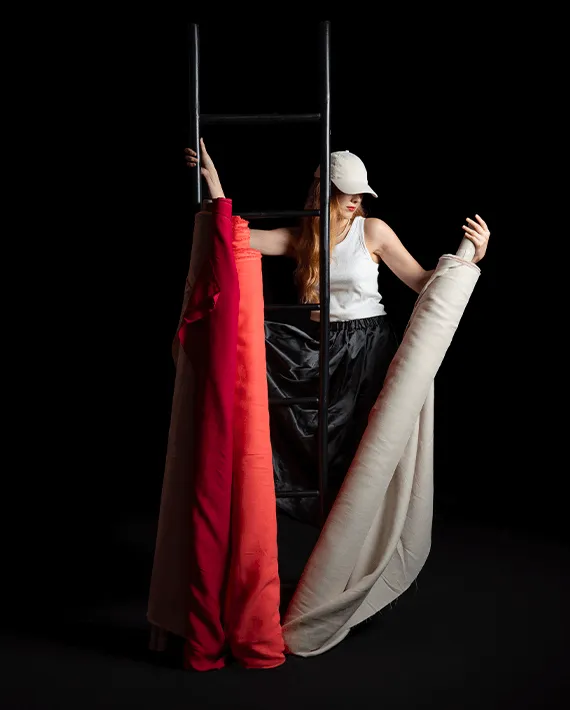
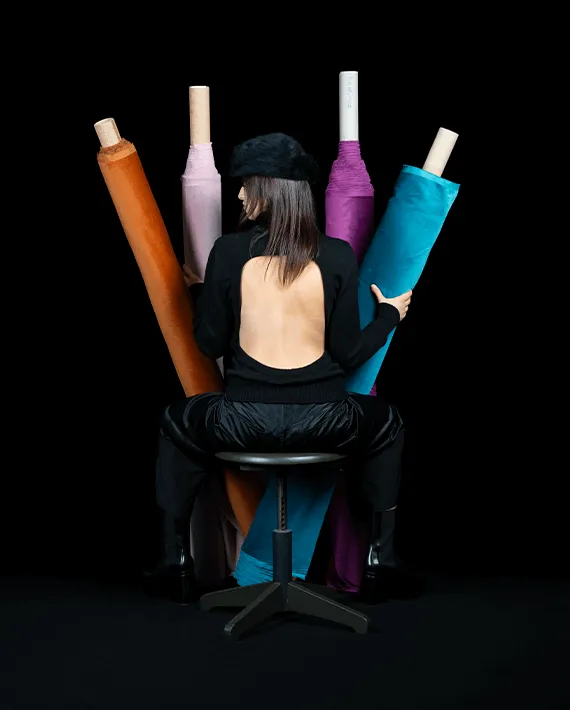
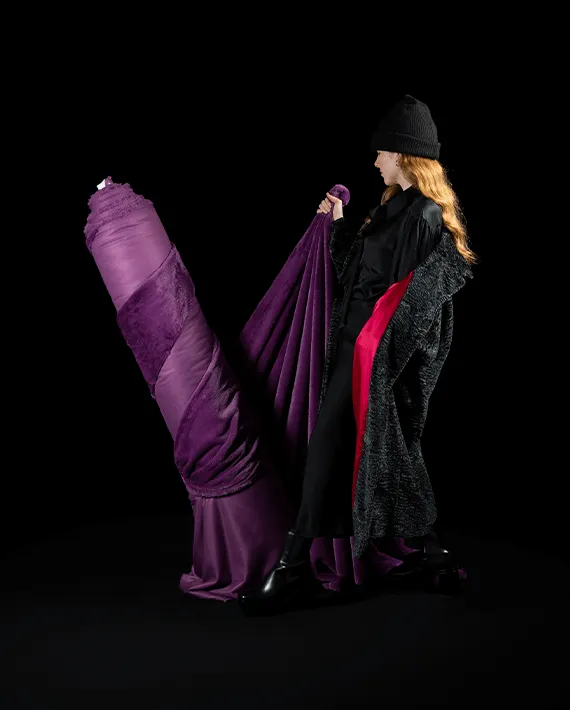
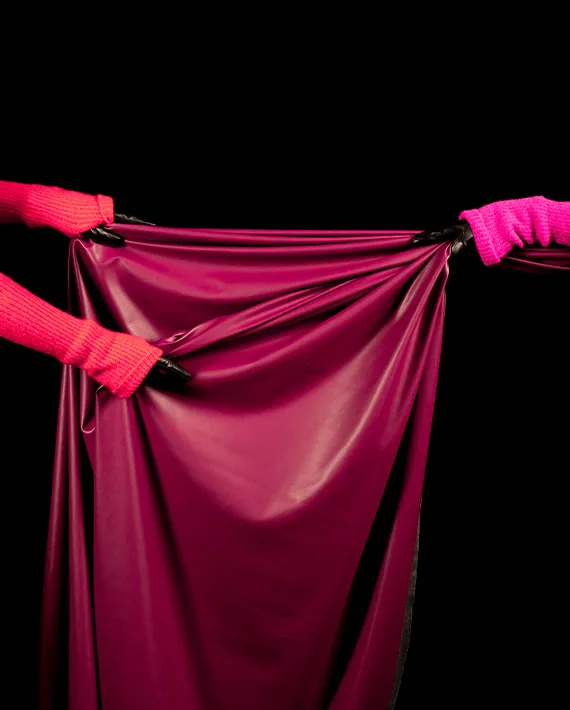
20 years of Fabric House
The choice for exceptional fabrics
20 years of Fabric House
The choice
for exceptional fabrics
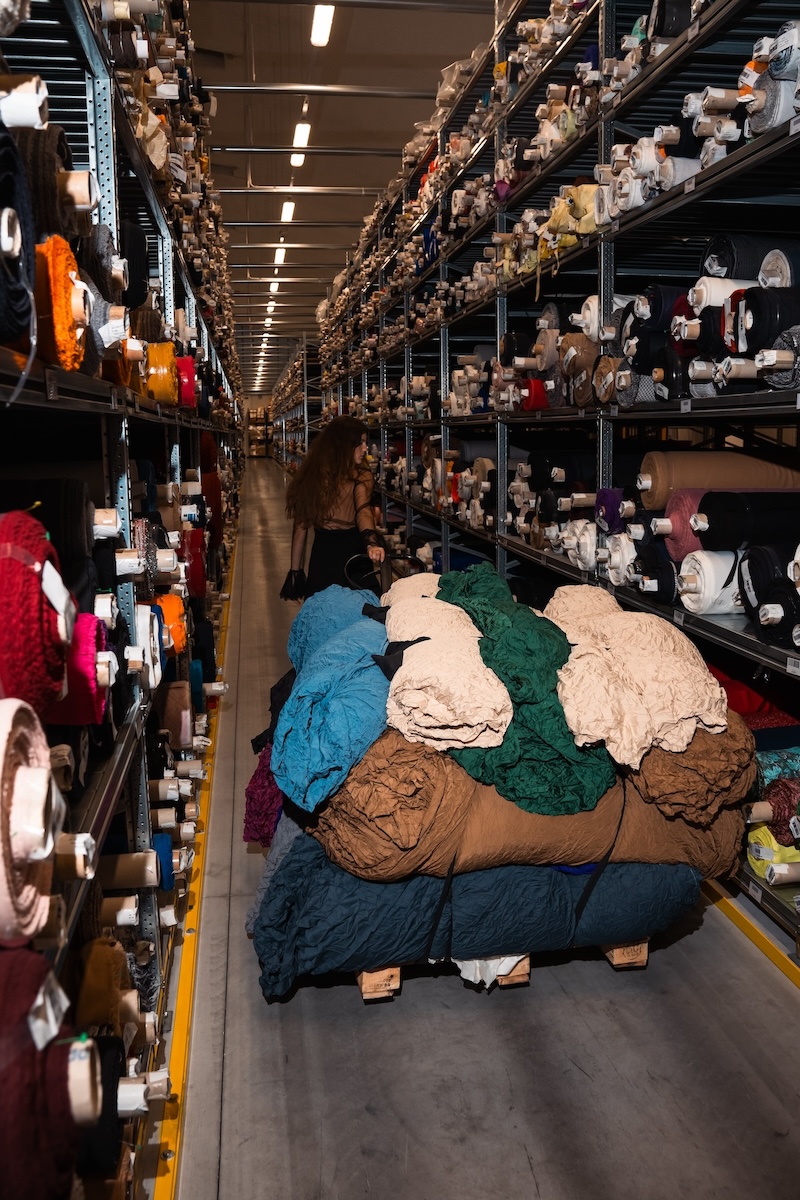
Global leader in premium deadstock fabrics.
Fabric House was founded in 2006 and is based in Prato, Italy.
Wool
Our exclusive selection of wool fabrics represents the pinnacle of textile craftsmanship, combining heritage techniques with modern sustainability. We offer a curated range comprising pristine designer stock—recovered treasures from leading fashion houses—and our own Fabric House collection, produced in partnership with renowned Italian mills. This diverse assortment ensures that every metre of material meets the highest standards of quality, offering warmth, breathability, and an impeccable handle.
Why choose wool?
Choosing our wool selection means embracing a circular approach to fashion without compromising on luxury. A significant portion of our inventory consists of designer stock, effectively giving a second life to high-quality surplus materials that would otherwise be overlooked. By recovering these pristine materials, we reduce the environmental impact associated with new fibre production while providing access to exclusive fabrics often reserved for high-end ready-to-wear collections.
In addition to our recovered materials, the Fabric House collection showcases the expertise of traditional Italian weavers. Whether you are looking for pure virgin wool or sophisticated blends, our range reflects a dedication to durability and refined aesthetics. Wool is naturally biodegradable and renewable, making it a responsible choice for designers who prioritise both style and environmental awareness.
Origin & characteristics
Wool is a protein fibre distinguished by its natural crimp, which creates air pockets that provide superior insulation and thermoregulation. Our selection spans a wide spectrum of weights and weaves, from lightweight tropical wools ideal for transitional seasons to dense, heavy coatings. You will find classic weaves such as twill, worsted, and herringbone, alongside textured varieties like bouclé and tweed. The tactile qualities range from the smooth, crisp finish of fine worsted suiting to the soft, voluminous hand of brushed coatings. Technical attributes include natural elasticity, wrinkle resistance, and the ability to absorb moisture without feeling damp. Many of our fabrics feature specialised finishes that enhance their softness or lustre, ensuring elegant drape and excellent performance.
Uses & applications
Our wool collection is versatile and suitable for a variety of projects.
Tailoring: ideal for bespoke suits, trousers, waistcoats, and structured blazers.
Outerwear: perfect for winter coats, capes, and jackets using dense weaves.
Interior design: suitable for decorative cushions, throws, and light upholstery accents.
Buy online
At Fabric House, we make it easy to source premium textiles with flexible quantities and a low minimum order. We support both independent designers and larger productions. We recommend using our sample service to evaluate the fabric’s handle and drape before purchase. Discover our selection at fabrichouse.com.
FAQ
What is wool typically used for?
Wool is valued for its insulating properties and durability. It is mainly used in tailoring and outerwear due to its ability to hold shape and resist creasing.
Can fabric softener be used?
It is generally not recommended, as it may reduce the fibres’ breathability and affect performance. It is best to use detergents specifically designed for wool.
Is your collection sustainable?
Yes, our circular model promotes sustainability by reusing designer stock. Wool is also a natural, renewable, and biodegradable fibre.
Related categories:
Italian Linen Fabric: Premium Deadstock & Sustainable Elegance
Explore our curated selection of Italian linen fabric, sourced directly from the finest mills and fashion manufacturers. As specialists in premium deadstock textiles, we offer exclusive access to surplus luxury fabrics that would otherwise go to waste. This guarantees superior European quality while supporting a circular and responsible economy. Whether you are looking for heavyweight linen for interiors or linen for apparel, our collection provides the perfect foundation for your next project. We sell linen fabric by the metre with low minimum order quantities, making professional-grade Italian textiles accessible to designers, tailors, and creatives worldwide.
Why choose deadstock linen fabrics?
Choosing deadstock linen means purchasing existing, high-quality material instead of requiring new production. Our linen mainly comes from renowned Italian textile districts, ensuring a level of weave and finishing that generic "fast fashion" fabrics cannot match.
Sustainability: By purchasing deadstock, you actively reduce water consumption and carbon emissions associated with growing new flax.
Exclusivity: As these fabrics are surplus from major brands, once a specific color or weave is sold out, it is unlikely to be restocked. This makes your creations truly unique.
Value: You receive luxury-quality linen fabrics online at a fraction of traditional wholesale prices.
Uses & applications
Linen is one of the strongest natural fibers, known for becoming softer with every wash.
Apparel: Perfect for summer shirts, tunics, trousers, and lightweight garments. Our linen-viscose fabrics offer a soft, fluid hand, while 100% linen provides that classic crisp and fresh structure.
Interiors: Heavier weights are ideal for curtains, tablecloths, and durable linen upholstery fabrics.
Blends: We also offer linen-silk and linen-cotton blends, combining the breathability of linen with the sheen or softness of other natural fibers.
Buying Linen Fabric Online: Wholesale & Retail
We bridge the gap between wholesale and retail. Whether you need 3 metres for a suit or 50 metres for a collection, you can buy linen fabric with ease and transparency.
No High Minimums: Ideal for small brands and independent ateliers.
Sample Service: Since handle is essential, we recommend ordering samples to feel the difference between our washed linen, plain weaves, or twills.
Frequently Asked Questions (FAQ)
Does linen fabric shrink?
Yes, being a natural fiber, pure linen can shrink between 3% and 10% after the first wash. We strongly recommend pre-washing the fabric before cutting. Some of our items are labeled as "washed linen" (or stone washed), meaning they have already undergone treatment to minimize shrinkage and soften the hand.
Is your linen suitable for upholstery and sofas?
It depends on the weight. You can search for our high-weight linens or "Canvas" weaves using the filters on our website. These are dense and durable enough for furniture and heavy drapery, while our classic apparel linen is lighter and more delicate.
What is the difference between pure linen and linen viscose?
100% linen has a more "crisp" hand and is prone to the classic natural wrinkling of linen. The linen-viscose blend adds fluidity, reduces wrinkling, and gives the fabric a slightly silkier touch, making it excellent for flowing dresses and elegant blouses.
Jacquard
Our exclusive selection of jacquard fabrics represents the pinnacle of complex textile weaving, offering intricate patterns and structured elegance for the most demanding designers. Whether sourced from our archive stock in impeccable condition or from our curated Fabric House collection, every metre reflects a strong commitment to quality and aesthetics. These materials are chosen for their ability to transform garments and interiors into true statement pieces, characterised by woven designs rather than printed ones.
Why choose jacquard?
Choosing jacquard from Fabric House means embracing a circular approach to fashion without compromising on luxury. Our inventory consists of deadstock fabrics: high-quality materials from renowned production lines, saved to give them a second life. This model allows designers to access premium archive fabrics that would otherwise be unavailable, ensuring that valuable textile resources are used to their full potential.
By integrating these materials into your collections, you support a more responsible textile industry. The durability and timeless appeal of jacquard ensure that creations made with these fabrics are designed to last, countering the culture of fast fashion. Each piece in our range is selected for its exceptional craftsmanship, offering a unique opportunity to work with materials that combine both heritage and high technical performance.
Origin & characteristics
The history of this fabric is closely linked to Joseph Marie Jacquard, who revolutionised the weaving industry in the early 19th century with the invention of his mechanical loom. Unlike printed fabrics, the pattern in a jacquard fabric is incorporated directly into the weave structure. This technique allows for the creation of complex, multicoloured and highly textured designs, often reversible. The result is a fabric with remarkable visual depth and a luxurious hand, setting it apart from simpler plain weaves. Technically, jacquard stands out for its versatility in terms of weight and composition. It can be woven from a variety of fibres, including silk, cotton, wool and synthetic blends, which determine the final drape and sheen. These fabrics typically feature a robust structure and excellent stability, making them ideal for tailoring. The weaving process allows for raised patterns or subtle tone-on-tone designs, offering a wide range of aesthetic possibilities for both technical and decorative applications.
Uses & applications
Thanks to the robust nature of the weave and the diversity of available fibre blends, jacquard is particularly suitable for both apparel and interior design. Its ability to maintain shape makes it one of the most widely used fabrics for structured garments and durable home furnishings.
Tailored apparel: Ideal for creating blazers, formal jackets and structured trousers that require a fabric with body and resistance to creasing.
Evening wear: Often used for corsetry, cocktail dresses and heavy skirts where the sheen and pattern of the fabric provide a refined elegance.
Upholstery: Heavier jacquards are perfect for covering armchairs, sofas and dining chairs thanks to their high abrasion resistance.
Home textiles: Excellent for heavy drapes, curtains and decorative cushions that add texture and character to a space.
Buy online
At Fabric House, we are committed to making professional-grade fabrics accessible to designers and brands of all sizes. Our online platform allows you to order jacquard fabrics with flexible quantities and a low minimum order, making it easy to develop both small capsule collections and larger production runs. We strongly recommend using our sample service to evaluate the texture, weight and colour of the material before finalising your purchase. This ensures that the fabric perfectly matches your technical requirements and design vision.
FAQ
What is jacquard fabric?
Jacquard is a type of fabric defined by its weaving method rather than the fibre used. It features an intricate pattern woven directly into the warp and weft, instead of being printed or embroidered on the surface. This results in a stable, textured material in which the design is an integral part of the structure.
How is jacquard fabric made?
The fabric is produced on a special loom that controls each individual warp thread independently. Historically operated using punched cards and now by computers, this mechanism raises and lowers specific threads to create complex and detailed patterns. This process allows for a greater number of threads and more durable designs compared to basic weaves.
Can jacquard fabric be washed and does it shrink?
Care largely depends on the fibre composition (for example cotton, silk or polyester). While synthetic blends can be machine washed, jacquards made from natural fibres often require dry cleaning to maintain their structure and finish. Incorrect washing may cause shrinkage or distortion of the pattern, so it is essential to follow the specific care instructions for each fabric.
Related Categories:
Cotton
Our exclusive selection of cotton fabrics offers a versatile foundation for high-quality garment construction. Sourced from renowned European mills and prestigious designer stocks, these pristine materials combine the natural breathability of premium fibres with the refined finish required for professional fashion collections.
Why choose cotton?
Choosing cotton from Fabric House means investing in a circular approach to fashion. Our collection primarily consists of designer deadstock—pristine materials curated from the archives of leading fashion houses—alongside our own Fabric House collection developed in collaboration with expert Italian textile manufacturers. This ensures that every metre of fabric meets the highest industry standards for durability and comfort.
By repurposing these recovered treasures, we facilitate an approach to better resource utilisation and waste reduction. This allows brands and independent designers to work with high-end cotton that might otherwise remain inaccessible, ensuring that every garment produced carries the hallmark of refined craftsmanship and environmental consciousness.
Origin & characteristics
The cotton in our range is defined by its superior handle and structural integrity. Depending on the specific variety, our cottons offer a diverse range of weights—from gossamer-light voiles to crisp, structured poplins. The fibres are meticulously processed to ensure a smooth surface, providing an ideal canvas for intricate tailoring or fluid, draped silhouettes. Technical characteristics vary across our selection, including classic plain weaves, refined twills, and textured sateens. These fabrics are celebrated for their hygroscopic properties and soft skin contact, making them essential for year-round wear. Whether you are looking for a matte finish or a subtle lustrous sheen provided by mercerisation, our cotton fabrics provide consistent performance during both the cutting and sewing processes.
Uses & applications
Cotton is the ultimate versatile medium for fashion design.
Elegant shirts and tailored blouses for professional wardrobes.
Summer dresses and lightweight skirts with beautiful drape.
Structured trousers and lightweight jackets.
Childrenswear that requires soft, natural, and breathable textures.
Refined loungewear and high-end pyjamas.
Buy online
At fabrichouse.com, we provide a seamless digital sourcing experience for designers and brands. We offer flexible quantities with a low minimum order, allowing for both exclusive capsule collections and larger production runs. To ensure the fabric meets your exact requirements for colour and handle, we highly recommend using our sample service before placing your final order.
FAQ
What is the benefit of sourcing designer stock cotton?
Sourcing designer stock allows you to access premium-grade cotton fabrics used by top fashion houses. These are pristine materials that offer exceptional quality and unique weaves that are often not available through standard mass-market suppliers.
Are these cotton fabrics suitable for upholstery?
Our cotton collection is specifically curated for fashion and garment construction. While they are ideal for clothing and lightweight accessories, they are not intended for heavy-duty upholstery or interior furniture applications.
What does "low minimum order" mean for my purchase?
We support independent designers and growing labels by offering flexible ordering. This means you can purchase exactly the amount of cotton fabric you need for your project without the burden of high volume requirements typical of traditional textile mills.
How should I care for my cotton garments?
While care instructions vary by weave and finish, most premium cottons can be laundered at moderate temperatures. However, to preserve the refined finish and longevity of designer-grade fabrics, we recommend testing a sample or following professional care guidelines specific to the garment's construction.
Related categories:
Jersey
Our exclusive selection of jersey fabrics represents the finest in knitted textile engineering, sourced directly from premier Italian mills. These materials, curated as pristine designer stock, offer a versatile range of weights and textures suitable for everything from fluid draping garments to structured architectural pieces.
Why choose jersey?
At Fabric House, our collection is comprised of recovered treasures from the fashion industry's leading production lines. Choosing our jersey means investing in high-quality materials that support a circular economy. By repurposing designer stock, we ensure that premium fibres are utilized to their full potential, reducing waste while providing access to exceptional textiles that might otherwise remain inaccessible.
The appeal of jersey lies in its construction and comfort. Unlike rigid wovens, these knitted fabrics offer natural elasticity and resilience, making them essential for modern garment construction. Whether you require a natural fibre blend for breathability or a technically advanced knit for performance wear, our range is inspected to ensure it meets the rigorous quality standards required by professional designers and tailors.
Origin & characteristics
Jersey is distinguished by its looped structure, produced on knitting or warp knitting machines rather than through the interlacing of warp and weft. This construction imbues the fabric with inherent stretch and flexibility. Single jersey is known for its light handle and fluid drape, often identifiable by the tendency of its edges to curl. In contrast, double-faced varieties such as Interlock, Punto Milano, and Romanit offer a compact, denser structure with two finished sides, providing greater stability and thermal retention. The fibre composition significantly influences the fabric's character. Cotton jersey serves as a classic choice for softness and breathability, while viscose blends offer a refined shimmer and a heavier, more fluid drape. For cooler climates, wool jersey provides excellent thermal insulation. Our collection also includes techno jersey, typically made from polyester or nylon blends, ideal for activewear, as well as stretch variants enriched with elastane for optimal shape retention. The range is completed by French Terry, characterized by a looped back, rib knits with high elasticity, and complex jacquard jerseys with patterns woven directly into the structure.
Uses & applications
Thanks to its exceptional elasticity and wide range of weights, jersey fabric is a fundamental material for both casual wardrobes and tailored garments.
Everyday garments such as T-shirts, tops, and fluid dresses made from single jersey or viscose.
Childrenswear requiring maximum softness, safety, and freedom of movement.
Loungewear, sweatshirts, and leisurewear using comfortable French Terry.
Activewear, sports tops, and leggings made from high-performance techno jersey.
Structured garments and soft tailoring using compact and stable jerseys such as Punto Milano or Romanit.
Buy online
Explore our range of premium jersey fabrics available at Fabric House. We support professionals, ateliers, and designers by offering low minimum orders and flexible quantities, making these high-end materials accessible for projects of any scale. We invite you to use our sample service to evaluate the handle, weight, and elasticity of the fabric before proceeding with your final order.
FAQ
What is the difference between single jersey and double jersey?
Single jersey is a single-knit fabric, generally lighter with a fluid drape, whose cut edges tend to curl. Double jersey, such as Interlock or Punto Milano, is knitted with two sets of needles, resulting in a double-layer fabric that is more stable, opaque, and with edges that maintain their original shape.
What is techno jersey?
Techno jersey refers to synthetic knitted fabrics, often made from polyamide (nylon) or polyester combined with elastane. These materials are designed to deliver high performance, exceptional elasticity, and excellent shape retention, making them ideal for activewear and fitted garments.
Can jersey be used for structured garments?
Yes, provided the correct weight and construction are selected. Heavier double-knit jerseys such as Punto di Roma or Romanit provide the stability required for soft tailoring. They maintain the shape of blazers, trousers, and skirts while preserving the distinctive comfort of knit fabrics.
Related categories:
Silk
Our exclusive selection of silk fabrics represents the pinnacle of textile elegance, sourced from the world’s most renowned designer archives and prestigious Italian mills. At Fabric House, we curate these recovered treasures to offer professionals and designers access to materials that embody refined craftsmanship and a sophisticated aesthetic. Each piece in our collection is in pristine condition, ready to be transformed into high-end garments or luxury accents.
Why choose silk?
Choosing silk from our collection is a commitment to both uncompromising quality and a circular approach to fashion. By sourcing designer stock, we provide access to limited-edition materials that would otherwise remain dormant in archives, ensuring these exquisite textiles find their way into the hands of discerning creators. This practice reduces the demand for new production while maintaining the highest standards of luxury.
The inherent properties of silk—its natural lustre, strength, and breathability—make it one of the most coveted materials in the industry. Whether it is a fluid crêpe de chine or a structured silk duchesse, our range offers the tactile excellence required for couture-level results. Each metre reflects a legacy of textile expertise, bridging the gap between historical tradition and modern, sustainable sourcing.
Origin & characteristics
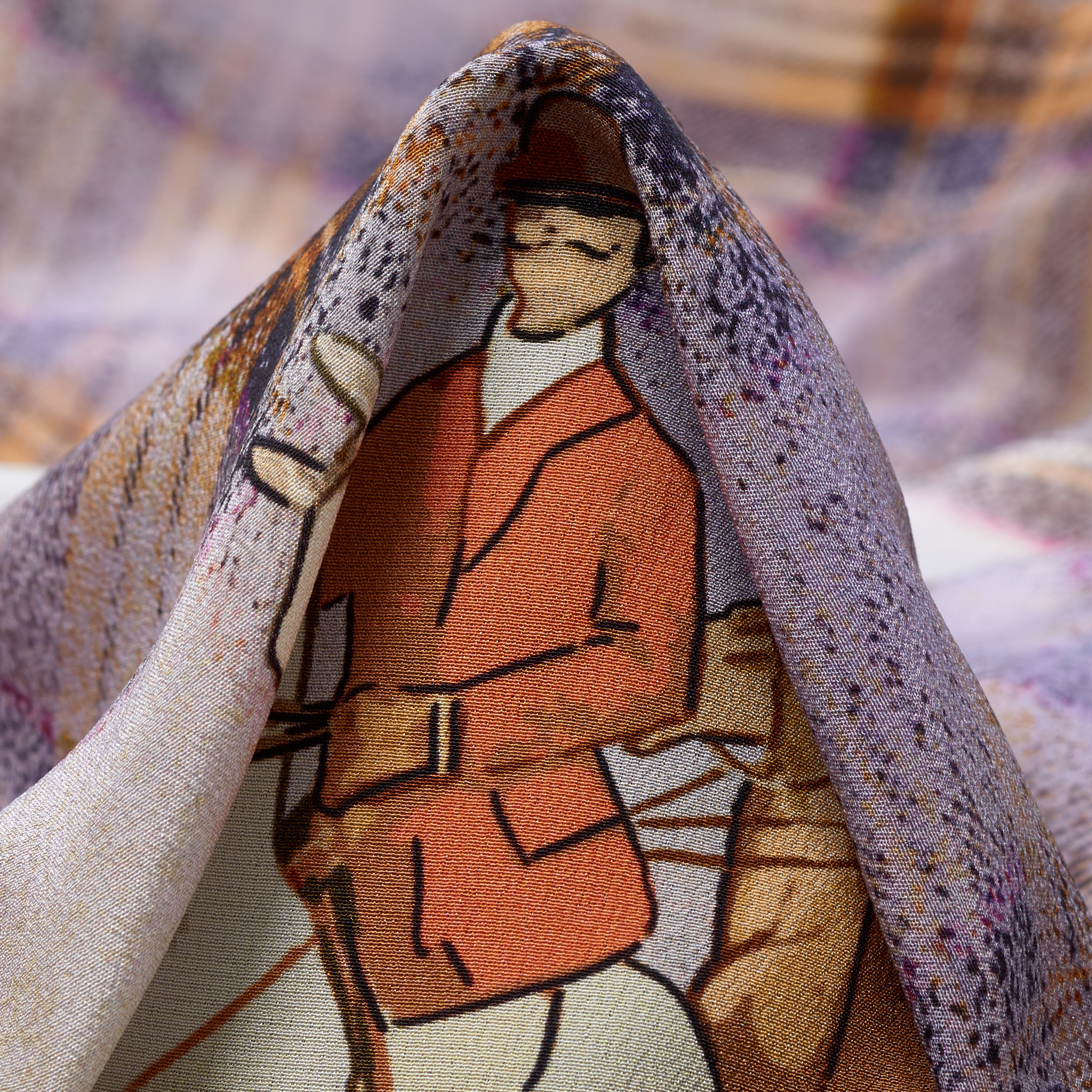
Our silk fabrics originate from leading textile hubs, predominantly featuring the expertise of Italian weaving mills known for their meticulous finishing and superior yarn quality. The collection encompasses a variety of weaves, including satin, twill, and organza, each offering a distinct handle and drape. From the ethereal lightness of chiffon to the substantial, architectural qualities of taffeta, these fabrics provide a versatile palette for creative expression. Technically, silk is a protein fibre known for its incredible tensile strength and unique ability to reflect light, creating a characteristic sheen that synthetic alternatives cannot replicate. The hand feel ranges from buttery smooth to crisp and textured, depending on the specific weave and finishing processes used. Its natural thermal regulation ensures comfort across seasons, making it a functional choice as well as an aesthetic one.
Uses & applications
Silk is the preferred medium for creating garments that require a sophisticated drape and a luxurious finish. Its versatility allows it to transition from delicate personal wear to structured evening attire.
Haute couture and bespoke bridal wear.
Evening wear, including gowns, cocktail dresses, and slip dresses.
High-end lingerie and intimate apparel.
Tailored blouses, shirts, and lightweight summer separates.
Interior accents such as decorative cushions or light window treatments.
Buy online
Discover the range at fabrichouse.com, where you can source premium silk with the convenience of a low minimum order. We understand the importance of tactile evaluation in textile design, which is why we offer a dedicated sample service to ensure the fabric meets your specific requirements before you commit to a larger quantity. Experience the excellence of the Fabric House collection and integrate world-class designer stock into your next project.
FAQ
What is silk fabric?
Silk is a natural protein fibre produced by silkworms, most commonly the larvae of the Bombyx mori moth. It is renowned in the textile industry for its natural lustre, durability, and smooth texture, making it a primary material for luxury fashion and high-end tailoring.
How is silk made into fabric?
The process begins with harvesting silk cocoons, which are carefully unreeled to obtain long, continuous filaments. These filaments are then spun into yarn and woven into various structures—such as satin, plain weave, or twill—depending on the desired weight, drape, and finish of the final textile.
Is silk a good fabric to wear in hot weather?
Yes, silk is an excellent choice for warm climates. It is a breathable, natural fibre with moisture-wicking properties that help regulate body temperature. Its lightweight nature allows for significant airflow, keeping the wearer cool and comfortable in high temperatures.
Can you dye silk fabric?
Silk is highly receptive to dyes due to its protein structure, allowing for deep, vibrant colour saturation and excellent colour fastness. Professional dyeing processes can achieve everything from delicate pastels to rich, dark tones without compromising the fabric’s natural sheen.
How to wash silk fabric?
To maintain the pristine condition of silk, professional dry cleaning is generally recommended, especially for structured garments. For certain silk types, hand washing in cool water with a pH-neutral detergent is possible, provided the fabric is handled gently and dried away from direct sunlight to prevent fibre degradation
Related Categories:
Chanel
Chanel fabrics are known for their distinctive texture and refined appearance, created through a complex interplay of different yarns. Often based on tweed constructions, especially bouclé tweed, these fabrics gained prominence in the 1950s and remain a key material in high-end tailoring. They combine comfort with structure, making them suitable for both daywear and more formal garments.
Why choose deadstock Chanel fabrics?
Deadstock Chanel fabrics offer access to premium designer materials while supporting a more resource-conscious approach. Our selection includes limited quantities originally produced for leading fashion houses.
By using existing stock, no additional production is required, helping to reduce environmental impact. Designers benefit from high-quality fabrics with limited availability, making them ideal for unique pieces and small collections.
Origin & characteristics
Chanel fabric refers to a textured woven construction, often associated with bouclé or tweed fabrics. It is typically made from a blend of fibres such as wool, cotton, silk, and sometimes synthetic or metallic yarns. The characteristic texture comes from the variation in yarn types and thicknesses within the weave. Many Chanel fabrics are based on tweed constructions, particularly bouclé tweed, which features looped yarns and a softly structured surface. The result is a fabric that offers warmth, breathability, and good shape retention.
Uses & applications
Chanel fabrics are commonly used for structured yet comfortable garments:
Jackets and bouclé blazers
Dresses and skirts
Waistcoats and light outerwear
Accessories such as handbags and hats
Buy online
At Fabric House, Chanel fabrics are available in flexible quantities with low minimum order requirements. This makes them suitable for both small-scale projects and larger collections. To ensure the fabric meets your expectations in terms of texture, weight, and colour, we recommend ordering samples before placing your final order.
FAQ
What is Chanel fabric?
Chanel fabric is a textured woven material, often in bouclé or tweed style, made from a mix of fibres such as wool, cotton, and silk. It is known for its structured feel and distinctive surface texture.
How to clean Chanel fabric?
Chanel fabrics should generally be dry cleaned to maintain their structure and prevent damage to the mixed fibres.
Can you dye Chanel fabric?
Dyeing is not recommended, as different fibre types react unevenly to dye, which can affect both colour and texture.
Related categories:
Corduroy
Our exclusive selection of corduroy fabrics offers a sophisticated blend of durability and tactile depth, sourced from prestigious designer stock and high-quality textile mills. Characterised by its iconic parallel ribs, or "wales," this material remains a staple for designers seeking to combine traditional British heritage with contemporary structural silhouettes.
Why choose corduroy?
Choosing corduroy from Fabric House means investing in recovered treasures from the world’s leading fashion houses. By integrating these pristine materials into your collection, you support a circular approach to fashion that prioritises the optimal use of resources and waste reduction without compromising on textile excellence.
The enduring appeal of corduroy lies in its remarkable resilience and thermal insulation. These fabrics provide a substantial hand feel and a velvety surface that gains character over time, making them a sustainable choice for long-lasting garments.
Origin & characteristics
Historically rooted in 18th-century Manchester, corduroy is a cut-pile fabric woven with extra sets of filling yarns that float over the warp to create distinct longitudinal ridges. The technical complexity of the weave results in a soft, voluminous texture that behaves similarly to velvet. It possesses a specific "nap" or direction of pile; when cut against the grain, the fabric appears deeper in colour and feels sturdier, whereas cutting with the grain results in a smoother, lighter aesthetic. Our range encompasses a variety of weights and wale counts, from the delicate density of babycord and needlecord to the robust, wide-ribbed texture of jumbo cord. While traditionally crafted from 100% cotton for maximum breathability, many of our contemporary corduroy fabrics incorporate a touch of elastane. This creates "stretch cord," providing the necessary flexibility for slim-fit tailoring while maintaining the fabric's signature structural integrity and refined finish.
Uses & applications
Corduroy’s unique combination of a soft handle and high abrasion resistance makes it exceptionally versatile for both fashion and functional design:
Menswear and Womenswear: Refined trousers, durable overshirts, and structured blazers.
Outerwear: Heavyweight coats and worker-style jackets known for superior warmth.
Workwear: Traditional artisan uniforms and high-utility garments requiring robust materials.
Interior Design: Tactile accents such as cushions and light upholstery for a vintage-inspired aesthetic.
Childrenswear: Soft needlecord for comfortable shirts, dresses, skirts and trousers.
Buy online
At fabrichouse.com, we offer a low minimum order value and flexible quantities across our entire corduroy range. To ensure the texture and wale size meet your specific requirements, we recommend utilising our sample service before purchasing your metreware. Every piece in our collection reflects the Fabric House commitment to quality, offering you access to premium materials with a professional logistical experience.
FAQ
What does the "wale" count mean in corduroy fabrics?
The wale count refers to the number of ridges per inch. A higher number (such as 16–21) indicates a finer, thinner rib like babycord, while a lower number (such as 3–8) indicates a thick, wide rib known as jumbo or broadcord.
Why is the nap direction important when cutting corduroy?
Because corduroy has a pile, the fabric reflects light differently depending on its orientation. All pattern pieces must be laid out in the same direction to ensure the finished garment has a consistent colour and sheen across all panels.
Is corduroy suitable for year-round collections?
While heavier cords are ideal for autumn and winter due to their insulation, fine-wale needlecords are lightweight and breathable, making them suitable for spring shirts, dresses, and transitional tailoring.
Related Categories:
Interior Fabrics
Our exclusive selection of interior fabrics offers a sophisticated foundation for creating distinguished living spaces. Whether you are seeking delicate transparencies for curtains or robust textures for furniture, our collection provides the essential materials required to enhance the atmosphere of any room. By integrating high-quality textiles into your design, you can define the character of a home with refined accents and professional craftsmanship.
Why choose surplus interior fabrics?
Choosing deadstock interior fabrics from Fabric House ensures access to a carefully curated selection of designer stock and recovered treasures from prestigious European textile mills. Our approach is rooted in circularity, bringing high-end materials back into circulation—fabrics that might otherwise remain hidden in archives. By sourcing pristine textiles from existing stocks, we support a more conscious use of resources and help reduce waste within the textile industry.
Our interior collection is defined by both diversity and quality. Working with leading manufacturers, we offer interior designers and ateliers fabrics that balance aesthetic excellence with technical durability. Each piece reflects a fusion of traditional weaving expertise and contemporary design, ensuring interior projects that are both timeless and sustainable.
The collection ranges from heavy linen canvas and distinctive jacquards to lightweight linen and cotton, thick interior velvets, and more. In addition, our Fabric House Collection features luxurious Italian jacquard fabrics that are particularly well suited for interior applications.
Origin & characteristics
The technical characteristics of our interior fabrics vary to meet specific functional needs, ranging from lightweight, airy drapes to heavy-weight, structured weaves. We offer a broad spectrum of fibre compositions, including luxurious silk for refined accents, durable cotton and linen for daily use, and versatile fibre blends designed for ease of maintenance. The collection features a vast array of finishes, from subtle matte textures to lustrous sheens that interact beautifully with light.
Our assortment includes intricate jacquard weaves that provide depth and weight, alongside printed textiles featuring everything from delicate floral motifs to bold geometric patterns. The hand feel and drape are carefully considered for each category: transparent qualities offer a soft, ethereal flow for curtains, while our upholstery-grade materials provide the necessary firmness and resilience for structural applications. These technical attributes ensure that every fabric performs perfectly within its intended environment.
Uses & applications
Our interior fabrics are engineered for versatility, allowing for seamless integration into both residential and commercial design projects:
Upholstery: Durable cotton blends and heavy jacquards ideal for refreshing chairs, sofas, and headboards.
Curtains: Transparent and semi-opaque fabrics for elegant curtains, drapes, and blinds.
Decorative Accents: High-quality silks and textured weaves for cushions, throws, and textile wall coverings.
Occasional Furniture: Robust fabrics suited for stools, benches, and bespoke interior installations.
Buy online
You can browse and purchase our complete range of interior fabrics through our online shop with the benefit of a low minimum order. To ensure the texture, weight, and colour perfectly match your project requirements, we offer a dedicated sample service. Each fabric in our collection is part of the Fabric House commitment to providing professional-grade materials with flexible quantities for designers and creators worldwide.
FAQ
What makes your interior fabrics a sustainable choice?
Our collection consists of interior deadstock from the most luxurious productions and our Fabric House Collection jacquards. By repurposing these pristine materials from high-end mills, we participate in a circular economy that promotes better resource utilisation and waste reduction.
Can these fabrics be used for heavy-duty upholstery?
Yes, many of our heavier cotton, linen, velvets and jacquards are specifically suited for upholstery. We recommend checking the individual product specifications for weight and composition to ensure they meet the durability requirements of your specific piece of furniture.
Do you offer fabric samples for interior projects?
Absolutely. We understand that light and texture are critical in interior design, which is why we provide a sample service. This allows you to test the fabric in your specific space before committing to a larger order.
Related categories:
Crash
Our exclusive selection of crash fabrics offers a refined approach to texture, defined by intentional, permanent crinkle effects that bring depth and character to any garment. Sourced primarily from prestigious Italian mills and high-end designer stock, or created through our “creative modification” process, where we transform existing deadstock fabrics, these recovered treasures deliver a distinctive tactile experience. Ideal for designers seeking materials that pair visual complexity with easy, low-maintenance wear.
Why choose deadstock crash fabrics?
Choosing crash from Fabric House means embracing a circular approach to fashion without compromising on luxury. Our collection consists of pristine materials salvaged from the archives of leading fashion houses, ensuring that these high-quality textiles are reintroduced into the creative cycle rather than being overlooked. This method allows us to offer premium designer stock that supports a more sustainable and resourceful industry.
The inherent beauty of crash lies in its resilience and "memory." Because the texture is integral to the fabric's structure, it maintains its wrinkled aesthetic over time, making it an ideal choice for travel-friendly garments and contemporary designs. By sourcing these fabrics through our curated network, we provide access to rare finishes and blends that are often unavailable in standard commercial productions.
Origin & characteristics
The defining characteristic of crash is its irregular, textured surface, achieved through specialised mechanical or chemical finishing processes during production. These techniques create a permanent "crushed" effect that varies from subtle micro-creases to bold, structural folds. Typically from fibres such as wool blends, polyester, polyamide or cotton blends, the fabric offers a crisp yet adaptable hand feel that reacts beautifully to light.
In terms of drape, crash fabric has a distinctive liveliness. Depending on the base fibre and the intensity of the crinkling, it can range from lightweight to medium-weight, or as a double fabric with one side wrinkled and the reverse smooth. The texture naturally introduces a subtle “give” or mechanical stretch—even in non-elastic compositions—enhancing comfort and freedom of movement. Each piece in our collection reflects the refined craftsmanship of European textile manufacturers, with sophisticated bicolour effects and rich tonal depth amplified by the uneven surface texture.
Uses & applications
Due to its expressive texture and low-maintenance nature, crash is a versatile choice for both structured and fluid silhouettes:
Women’s fashion: Ideal for textured blouses, lightweight summer dresses and skirts.
Tailoring: Perfect for unlined summer blazers and trousers that benefit from a non-traditional, rumpled elegance.
Evening wear and Haute Couture: Utilised in high-fashion skirts and avant-garde tops where volume and texture are paramount.
Travel collections: Excellent for garments that need to look intentional and stylish straight out of a suitcase.
Theatre and Film Costumes: Create standout pieces through the expressive texture of the fabric, adding visual depth and character on stage and screen.
Buy online
Discover the unique tactile qualities of our crash collection at fabrichouse.com. We support designers and independent brands by offering flexible quantities and a low minimum order, ensuring you can access premium designer stock for projects of any scale. To ensure the texture and handle meet your specific requirements, we recommend utilizing our sample service before placing your final order.
FAQ
Does the crinkle effect in crash fabric wash out?
No, the "crash" effect is a permanent finish applied during the manufacturing process. It is designed to retain its characteristic texture even after laundering, provided the care instructions for the specific fibre blend are followed.
Do I need to iron crash fabric?
One of the primary advantages of crash is that it is virtually iron-free. In fact, ironing may temporarily flatten the intentional texture. For best results, we recommend steaming the garment or simply hanging it to dry to preserve the original crinkle.
Can crash be used for formal wear?
Absolutely. It can be ideal for suits, coats and shirts. Crash fabric offers a sophisticated, matte-and-shine interplay that is highly valued in haute couture and contemporary evening wear for its architectural volume.
Related Categories
Faux Fur
Faux fur, also known as synthetic or fake fur, replicates the warmth and visual richness of animal pelts through advanced textile innovation. At Fabric House, our selection includes high-quality designer deadstock, offering an ethical and versatile material for winter garments and bold design applications.
Why choose deadstock faux fur fabrics?
Choosing deadstock faux fur supports a more circular approach to fashion. By sourcing recovered materials from leading design houses, we ensure that premium textiles are reused rather than left unused.
This approach reduces the need for new production while giving designers access to exceptional-quality fabrics in limited quantities. It allows you to work with refined faux fur textiles while contributing to more responsible resource use.
Origin & characteristics
Faux fur fabrics are typically made from synthetic fibres such as polyester, acrylic, or modacrylic. These fibres are knitted or woven onto a backing to replicate the look, density, and texture of real fur. The final appearance depends on pile length, density, and finishing processes. Modern techniques create a soft, realistic hand feel with excellent drape and strong insulating properties, making faux fur a practical and stylish option for cold-weather applications. In some constructions, the backing or blend may include natural fibres such as cotton, wool, or viscose, improving breathability or comfort while maintaining a synthetic pile.
Uses & applications
Faux fur is highly versatile and suitable for both fashion and interior design:
Statement coats and winter outerwear
Trims for collars, cuffs, and hoods
Accessories such as hats, bags, and scarves
Interior accents like throws and decorative cushions
Buy online
At fabrichouse.com, you can purchase faux fur fabrics in flexible quantities with low minimum order requirements. Our sample service allows you to evaluate pile, texture, and weight before placing a final order, ensuring the material meets your design needs.
FAQ
What is faux fur fabric?
Faux fur is a textile designed to imitate the look and warmth of real animal fur. It is produced by attaching synthetic fibres to a backing, creating a dense and soft surface with strong insulating properties.
How to clean faux fur fabric?
Faux fur is best dry cleaned to preserve its texture and prevent matting. If hand washing is suitable, use cold water and a mild detergent, then allow the fabric to air dry flat. Avoid heat and tumble drying, as high temperatures can damage synthetic fibres.
What is faux fur fabric made of?
Most faux fur is made from synthetic fibres such as polyester, acrylic, or modacrylic. In some cases, the backing or blend may include natural fibres like cotton or viscose to enhance comfort and breathability, while the pile remains synthetic.
Related categories:
Lining
Our exclusive selection of premium lining fabrics offers the essential finishing touch for high-end tailoring and dressmaking. Sourced from renowned European textile mills and designer archives, these materials provide a smooth, professional finish while enhancing the overall drape and longevity of the garment.
Why choose deadstock lining fabrics?
Choosing the right lining is a mark of refined craftsmanship. At Fabric House, we specialise in designer stock that gives creators access to pristine materials originally produced for luxury fashion houses. By integrating these high-quality fabrics into your collections, you achieve a smooth handle and a clean, considered finish that discreetly supports the garment’s structure and construction.
Our commitment to a circular approach means that by selecting these limited-edition stocks, you are contributing to an industry model focused on better resource utilisation and waste reduction. These fabrics are not just functional components; they are high-performance materials that offer comfort against the skin and ease of movement within structured silhouettes.
Origin & characteristics
The Fabric House collection features an array of technical compositions to suit every requirement. Our range focuses on high-quality cellulosic fibres such as viscose, acetate, and cupro, chosen for their smooth feel, breathability, and anti-static qualities. For a more premium option, we also offer silk linings, while lightweight cotton provides a natural and breathable choice for warm-weather garments.
Uses & applications
Lining fabric serves both a functional and aesthetic purpose across a wide range of fashion categories. It provides structure, opacity, and a frictionless layer for effortless wear:
Tailoring:Providing a sleek interior for bespoke suits, blazers, and formal trousers.
Outerwear: Adding warmth and durability to heavy coats and seasonal jackets.
Evening Wear: Enhancing the drape of gowns, cocktail dresses, and delicate silk skirts.
Accessories: Creating soft, protective interiors for high-end leather goods and handbags.
Buy online
You can purchase our premium lining fabrics by the metre directly at fabrichouse.com. To ensure the material meets your specific technical requirements, we offer a dedicated sample service for our entire collection. Whether you are sourcing for a boutique label or a singular project, we support your production with flexible quantities and a low minimum order.
FAQ
What are lining fabrics?
Lining fabrics are lightweight materials used to cover the inside of garments. They serve to hide internal seams, protect the outer fabric from wear, and make the garment easier to put on and take off by reducing friction.
How to choose lining fabric?
The choice depends on the weight and stretch of your outer fabric. Generally, you should choose a lining that is lighter than your main material. For winter coats, a heavier viscose or acetate twill is ideal, while for summer dresses, a light cotton or silk lining is preferred for breathability.
Can I use the same fabric for lining?
While "self-lining" is possible with very lightweight fabrics like chiffon or fine cotton, dedicated lining fabrics are usually preferred. This is because lining materials are specifically engineered to be smooth and anti-static, ensuring the garment does not "cling" to the body or the layers beneath it.
Why is viscose often used for lining?
Viscose is a preferred choice in luxury fashion because it is a breathable, cellulosic fibre that regulates temperature better than synthetic polyesters. It offers a silk-like lustre and a soft hand feel, making it comfortable for all-day wear.
Related Categories:
Vegan Leather
Our exclusive selection of vegan leather offers a sophisticated and ethical alternative for modern fashion creation. Sourced directly from premium designer stock, these recovered treasures present the luxurious appearance for your upcoming collections.
Why choose surplus vegan leather fabrics?
Opting for vegan leather supports an ethical, animal-free approach to textile production while avoiding the heavy environmental footprint associated with conventional tanning processes. By selecting materials from our curated designer stock, your production actively champions a circular approach, optimising existing resources and significantly reducing industry impact.
Our vegan leather selection originates from esteemed mills, ensuring each metre meets rigorous standards of refined craftsmanship. Whether utilising classic polyurethane compositions or exploring innovative bio-based alternatives, these fabrics deliver exceptional durability and aesthetic finesse without compromising on your ethical values.
Origin & characteristics
The structural integrity of vegan leather relies on a robust textile backing, meticulously coated with polyurethane or advanced bio-based materials to replicate the natural grain and supple handle of genuine leather. This sophisticated finishing process yields a diverse array of surface textures, ranging from sleek metallic sheens to deeply embossed patterns, ensuring exceptional versatility across different design requirements.
Available in various weights, our collection caters to precise structural needs. Lighter variations offer a fluid drape ideal for contemporary apparel, while heavier options provide the necessary rigidity for structured accessories. Furthermore, the integration of elastane creates stretch vegan leather, delivering superior flexibility and enhanced comfort by allowing the garment to adapt seamlessly to the body's contours. The consistent dimensions of these pristine materials also ensure highly efficient cutting and pattern matching.
Uses & applications
The adaptable nature and varied weights of vegan leather make it a highly versatile choice for numerous creative applications.
Fashion apparel including jackets, trousers, and skirts
Form-fitting garments utilising stretch vegan leather variations
Accessories such as bags, belts, and structural pieces
Interior accents and lightweight upholstery
Buy online
Discover our premium selection of vegan leather directly through fabrichouse.com. We accommodate varied production needs with flexible quantities and a low minimum order requirement. To ensure the material perfectly aligns with your vision, we highly recommend utilising our sample service to experience the exact drape, finish, and texture before committing to your final order.
FAQ
What is vegan leather?
Vegan leather is a synthetic material designed to emulate the look and feel of genuine animal hide. It is typically constructed by applying a polyurethane coating over a woven or knitted textile backing, completely bypassing animal use and traditional tanning methods.
Is faux leather vegan?
Yes, faux leather is inherently vegan as it contains no animal products. It relies entirely on synthetic polymers or plant-based materials to achieve its leather-like properties, offering a cruelty-free alternative for fashion and interior design.
Is vegan leather durable?
High-quality vegan leather is exceptionally durable and highly resistant to daily wear. It maintains its structural integrity and aesthetic appeal over time, while also benefiting from simple maintenance—often requiring just a gentle wipe with a damp cloth to remain in pristine condition.
Categorie correlate
Velvet
Our exclusive selection of velvet fabric offers an unparalleled blend of profound depth, lustrous sheen, and exceptional softness. Sourced from renowned mills and design houses, this collection presents a sophisticated choice for both elegant fashion and refined interior design.
Why choose deadstock velvet fabrics?
Choosing our velvet fabric supports a more circular approach to premium textiles. We carefully source unused stock from respected European design houses, giving these high-quality materials a new life in fresh designs. This helps designers access great designer velvet while encouraging more responsible textile use.
Origin & characteristics
Historically associated with nobility, textile velvet is defined by its complex weaving process. Woven on a special loom that weaves two thicknesses of the material at the same time, the two pieces are then cut apart to create the characteristic short, dense pile. This pile is what gives velvet its distinctive soft drape and rich light-reflecting properties, creating a surface that shifts beautifully depending on the angle of illumination.
Our collection includes various compositions, including pure cotton velvet, silk blends, viscose and modern synthetic mixtures that enhance durability and crease resistance. The hand feel ranges from the stiff, structured drape of heavier upholstery weights to the fluid, liquid-like movement of silk-blend panne or devoré velvets. Understanding exactly what is velvet fabric means recognising this structural versatility, allowing it to adapt effortlessly to diverse design requirements.
Uses & applications
The inherent luxuriousness and adaptable weight of velvet make it a highly versatile material across multiple design disciplines.
Evening wear and formal attire, including structured blazers, tailored trousers, evening dresses and haute couture
Premium interior applications, such as heavy-drape curtains and decorative cushions
High-end upholstery for statement furniture pieces requiring exceptional durability and visual depth
Theatrical costuming and specialised accessories that demand a rich, light-catching texture
Acquista online
Sourcing premium velvet directly through fabrichouse.com ensures a seamless procurement process for designers and creators. We support your production needs with flexible quantities and a low minimum order requirement, making high-end designer stock accessible for projects of all scales. To guarantee the perfect match for your design, we highly recommend utilising our professional sample service to evaluate the drape, weight, and colour of our fabrics before placing a final order.
FAQ
What is velvet fabric?
Velvet is a woven, tufted fabric characterised by a dense, evenly cut pile that gives it a distinctively smooth and soft hand feel. It is created on a specialised loom that weaves two layers simultaneously, which are then separated to form the plush surface.
Is velvet stretchy?
Traditional woven textile velvet lacks inherent stretch, as it is constructed with a stable warp and weft. However, modern iterations often incorporate elastane into the weave to provide flexibility and yield, making these specific variations highly suitable for close-fitting garments.
How should velvet be cared for?
Velvet requires careful maintenance to preserve its pile. Dry cleaning is highly recommended for structured garments and upholstery, while steaming is the preferred method for removing creases. Avoid direct ironing on the pile, as this can crush the fibres and leave permanent marks.
Related categories
Viscose
Our selection of viscose fabrics represents a sophisticated intersection of natural origin and technical refinement. Often referred to as "artificial silk" due to its lustrous appearance and fluid drape, these materials are sourced from the archives of renowned European textile mills and premium designer stock. By selecting these recovered treasures, we provide access to high-end textile quality while supporting a circular approach to resource management.
Why choose viscose?
Viscose offers a unique combination of breathability and elegance, making it an essential choice for high-quality garment manufacturing. Derived from wood pulp, this semi-synthetic fibre bridges the gap between the comfort of natural materials and the versatility of manufactured textiles. Its inherent moisture-wicking properties and hypoallergenic nature ensure comfort against the skin, even in warmer climates or structured layering.
At Fabric House, our viscose collection focuses on quality and circularity. We provide professionals and independent designers with the opportunity to work with pristine materials that would otherwise remain dormant in the warehouses of prestigious fashion houses. This approach allows for the procurement of exclusive, high-grade fabrics while contributing to a more efficient use of existing textile resources and the reduction of waste.
Origin & characteristics
The viscose fabrics in our range are distinguished by their exceptional hand feel and aesthetic versatility. Depending on the specific weave—such as twill, crêpe, or satin—the material can range from a matte, pebbled texture to a high-shine finish. The drape is famously fluid, allowing the fabric to follow the movements of the body with a graceful, liquid-like motion that is difficult to replicate with synthetic alternatives. Technically, viscose is highly absorbent and takes dye exceptionally well, resulting in deep, saturated colours and intricate prints that maintain their vibrancy over time. While the fibre itself does not possess natural elasticity, the way it is woven or blended often provides a comfortable mechanical stretch. Its smooth surface and anti-static properties make it an ideal choice for both primary garments and luxury linings that require a frictionless finish.
Uses & applications
Due to its refined finish and breathable structure, viscose is a staple in contemporary fashion and sophisticated interior accents:
Daywear:Elegant blouses, shirts, and tailored trousers that require a soft, professional drape.
Evening Wear: Fluid dresses, slip skirts, and gowns that take advantage of the material's lustrous sheen and movement.
Tailoring & Linings: High-quality interior linings for blazers and coats, providing a cool-to-the-touch feel and ease of movement.
Loungewear: Lightweight robes and pyjamas that prioritise skin comfort and breathability.
Interiors:Light decorative accents and soft furnishings that require a delicate, silky texture.
Buy online
You can source our curated viscose collection directly through fabrichouse.com. We cater to professional needs by offering flexible, low minimum orders and a dedicated sample service, allowing you to experience the handle and drape of the fabric before committing to a full production run. Whether you are seeking designer-deadstock treasures or pieces from the permanent Fabric House collection, our digital showroom ensures a seamless procurement process for your next design project.
FAQ
What is viscose fabric?
Viscose is a regenerated cellulose fibre made from wood pulp, such as beech, pine, or bamboo. It is chemically processed to create a versatile textile known for its silk-like qualities, high absorbency, and excellent breathability.
Is viscose stretchy?
Pure woven viscose does not have natural elasticity; however, it often features a soft, flexible drape. If a viscose fabric is "stretchy," it is typically due to a knit construction (such as jersey) or the addition of elastane in the fibre blend.
How should viscose be cared for?
Viscose is a delicate fibre that can be prone to shrinking or losing shape when wet. It is generally recommended to dry clean or hand wash in cool water and avoid tumble drying. Always check the specific care instructions provided for each designer stock item.
Is viscose a sustainable choice?
By sourcing viscose from our "recovered treasures" and designer-deadstock, you are engaging in a circular economy. This method utilises existing high-quality materials, which supports an approach towards better resource utilisation and waste reduction.
Related categories:
Why choose FABRIC HOUSE?
Because quality, sustainability and choice matter.
- 10,000 deadstock fabrics from the most prestigious producers
- Exclusive Fabric House Collection, made in Italy
- Cut to measure, from 1m (150€ minimum order amount)
- Express sample service
- Worldwide shipping
- Personalized support for B2B customers
- Weekly new arrivals
Decades of expertise. Thousands of possibilities.
TOUCH & FEEL THE FABRICS
Experience our collection in person and fall in love with our fabrics:
visit our showroom or meet us at selected Fabric Day events and exhibitions.
Munich / Oslo / Prato / Paris / Rome / Vienna / Zurich
LIGHT WOOL, VIRGIN WOOL, ...
|
€36.30/m
excl. VAT
|
1m to 5m |
|---|---|
|
€19.40/m
excl. VAT
|
6m to 49m |
|
€16.90/m
excl. VAT
|
from 50m |
POPLIN, COTTON, ELASTIC, ...
|
€21.90/m
excl. VAT
|
1m to 5m |
|---|---|
|
€11.40/m
excl. VAT
|
6m to 49m |
|
€9.50/m
excl. VAT
|
from 50m |
DUCHESSE, SILK, STIFF, SAVVY ...
|
€82.60/m
excl. VAT
|
1m to 5m |
|---|---|
|
€64.90/m
excl. VAT
|
6m to 49m |
|
€59.00/m
excl. VAT
|
from 50m |
TWILL, VIRGIN WOOL, ELASTIC, ...
|
€31.20/m
excl. VAT
|
1m to 5m |
|---|---|
|
€16.70/m
excl. VAT
|
6m to 49m |
|
€14.50/m
excl. VAT
|
from 50m |
SATIN, SILK, TANGO RED
|
€44.80/m
excl. VAT
|
1m to 5m |
|---|---|
|
€28.60/m
excl. VAT
|
6m to 49m |
|
€24.90/m
excl. VAT
|
from 50m |
SATIN, SILK, ADRENALINE RUSH
|
€44.80/m
excl. VAT
|
1m to 5m |
|---|---|
|
€28.60/m
excl. VAT
|
6m to 49m |
|
€24.90/m
excl. VAT
|
from 50m |
CRÊPE, VISCOSE, ELASTIC, ...
|
€34.20/m
excl. VAT
|
1m to 5m |
|---|---|
|
€18.30/m
excl. VAT
|
6m to 49m |
|
€15.90/m
excl. VAT
|
from 50m |
JERSEY, CHERRY TOMATO
|
€10.25/m
excl. VAT
€20.50/m
(50% saved)
|
1m to 5m |
|---|---|
|
€5.35/m
excl. VAT
€10.70/m
(50% saved)
|
6m to 49m |
|
€4.45/m
excl. VAT
€8.90/m
(50% saved)
|
from 50m |
TECHNO STRETCH, VISCOSE, ...
|
€7.40/m
excl. VAT
€14.80/m
(50% saved)
|
1m to 5m |
|---|---|
|
€4.00/m
excl. VAT
€8.00/m
(50% saved)
|
6m to 49m |
|
€2.95/m
excl. VAT
€5.90/m
(50% saved)
|
from 50m |
JERSEY, FRENCH TERRY, COTTON, ...
|
€19.60/m
excl. VAT
|
1m to 5m |
|---|---|
|
€10.20/m
excl. VAT
|
6m to 49m |
|
€8.50/m
excl. VAT
|
from 50m |
SINGLE JERSEY, COTTON, TOMATO
|
€18.20/m
excl. VAT
|
1m to 5m |
|---|---|
|
€9.50/m
excl. VAT
|
6m to 49m |
|
€7.90/m
excl. VAT
|
from 50m |
RIB JERSEY, POLYAMID, ELASTIC, ...
|
€9.80/m
excl. VAT
€19.60/m
(50% saved)
|
1m to 5m |
|---|---|
|
€5.10/m
excl. VAT
€10.20/m
(50% saved)
|
6m to 49m |
|
€4.25/m
excl. VAT
€8.50/m
(50% saved)
|
from 50m |
CRÊPE, ELASTIC, RASPBERRY ...
|
€14.80/m
excl. VAT
|
1m to 5m |
|---|---|
|
€8.00/m
excl. VAT
|
6m to 49m |
|
€5.90/m
excl. VAT
|
from 50m |
FLANNEL, VIRGIN WOOL, ELASTIC, ...
|
€35.50/m
excl. VAT
|
1m to 5m |
|---|---|
|
€19.00/m
excl. VAT
|
6m to 49m |
|
€16.50/m
excl. VAT
|
from 50m |
TECHNO JERSEY, POLYAMID, HIGH ...
|
€18.20/m
excl. VAT
|
1m to 5m |
|---|---|
|
€9.50/m
excl. VAT
|
6m to 49m |
|
€7.90/m
excl. VAT
|
from 50m |
LACE, RED ALERT
|
€14.95/m
excl. VAT
€29.90/m
(50% saved)
|
1m to 5m |
|---|---|
|
€8.00/m
excl. VAT
€16.00/m
(50% saved)
|
6m to 49m |
|
€6.95/m
excl. VAT
€13.90/m
(50% saved)
|
from 50m |
WATER REPELLENT QUALITY, ...
|
€14.80/m
excl. VAT
|
1m to 5m |
|---|---|
|
€8.00/m
excl. VAT
|
6m to 49m |
|
€5.90/m
excl. VAT
|
from 50m |
TWILL, COTTON, TRUE RED
|
€26.50/m
excl. VAT
|
1m to 5m |
|---|---|
|
€13.80/m
excl. VAT
|
6m to 49m |
|
€11.50/m
excl. VAT
|
from 50m |